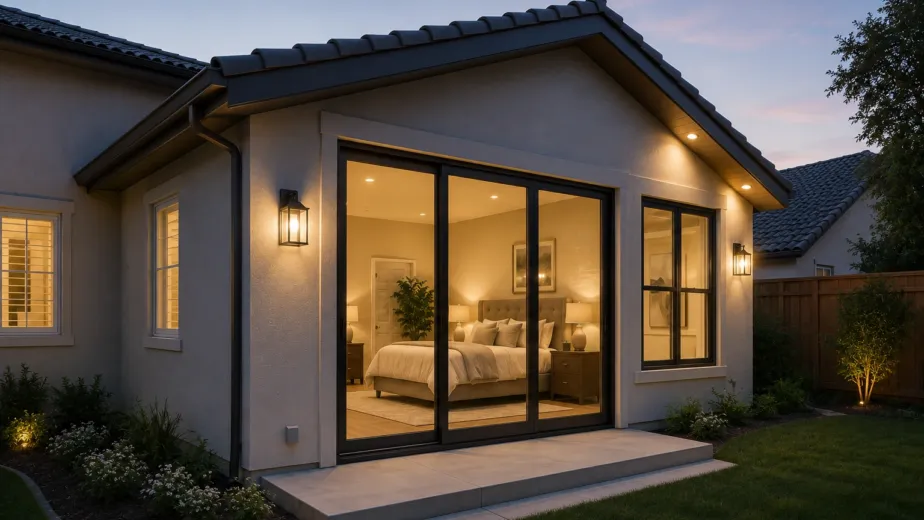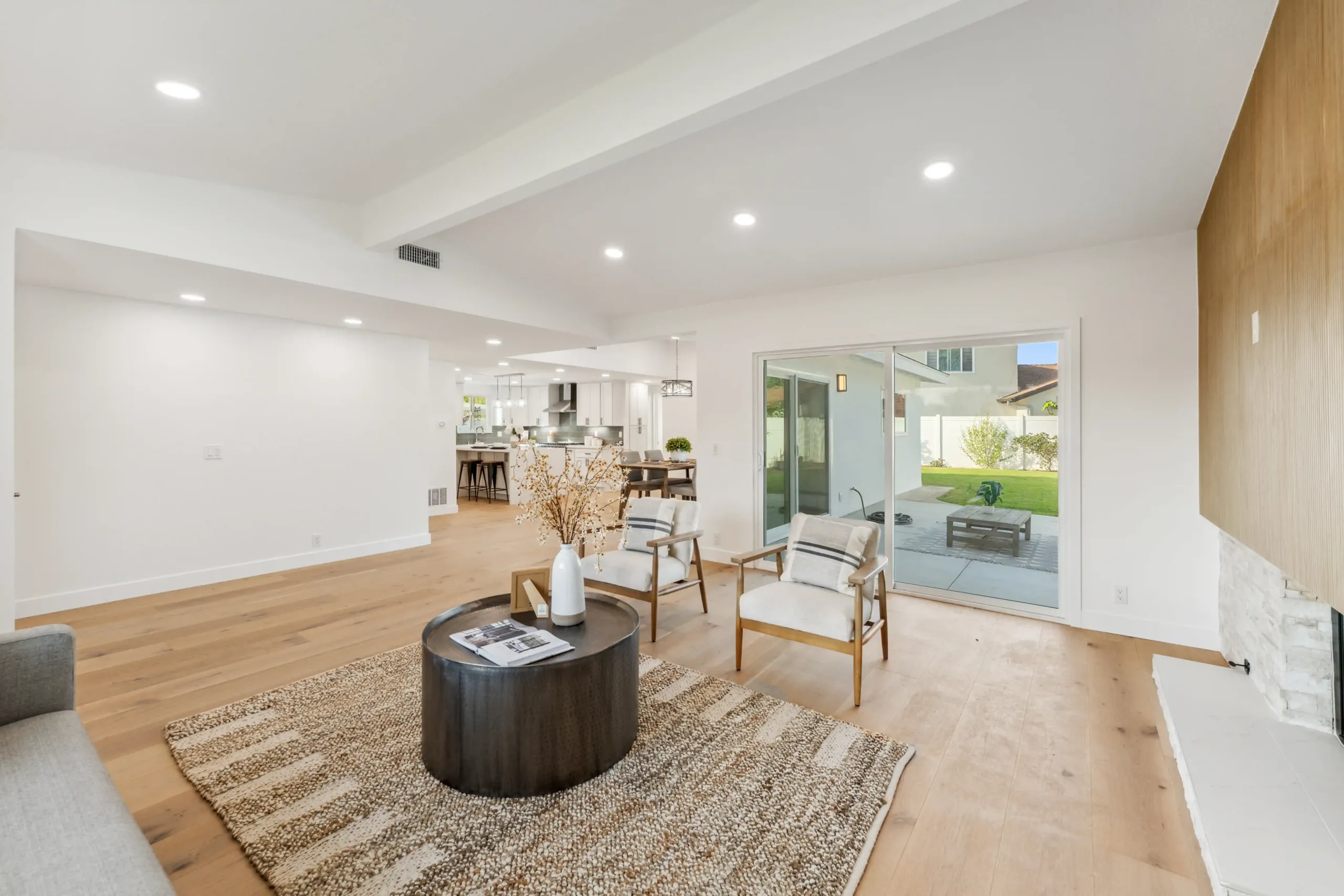
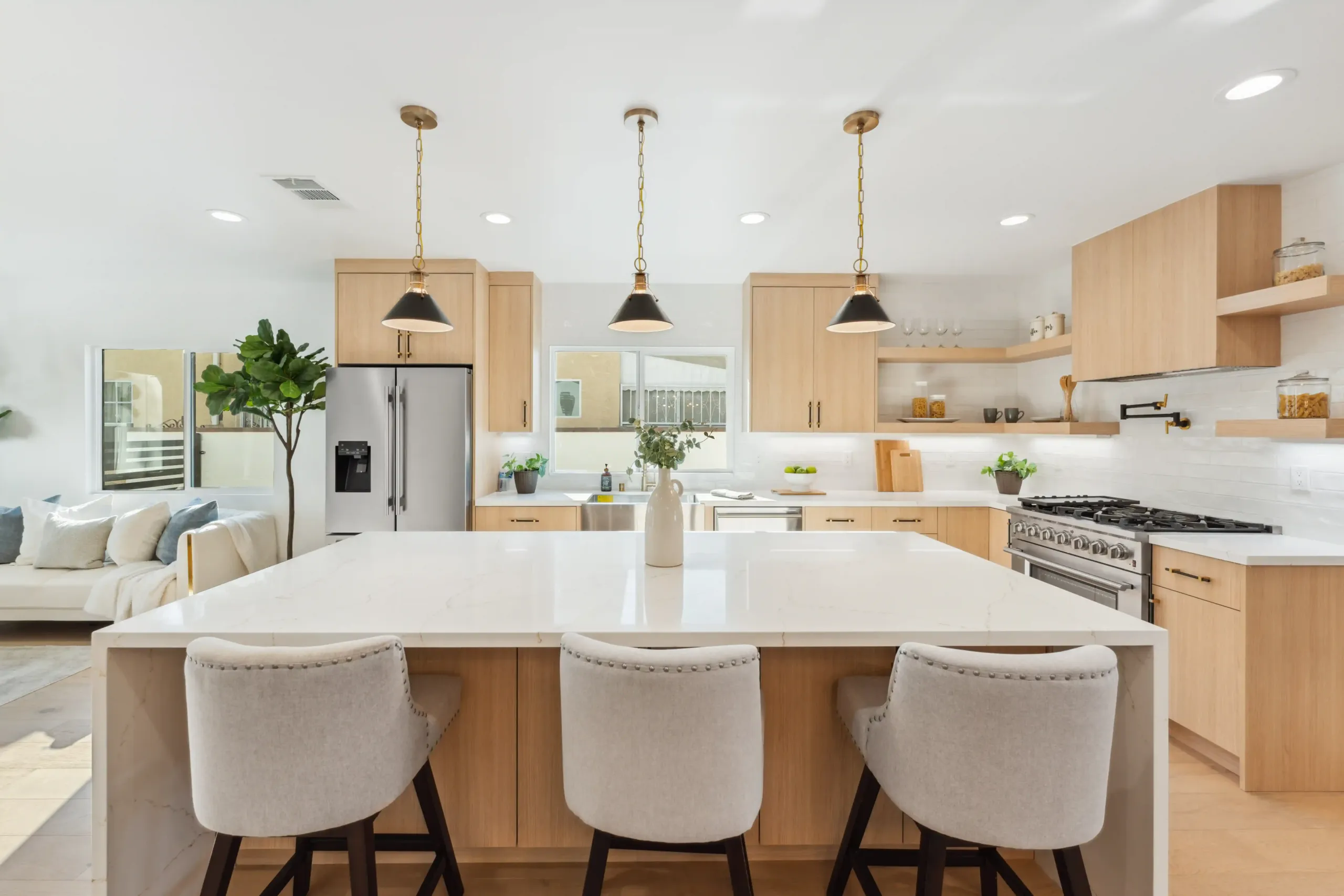
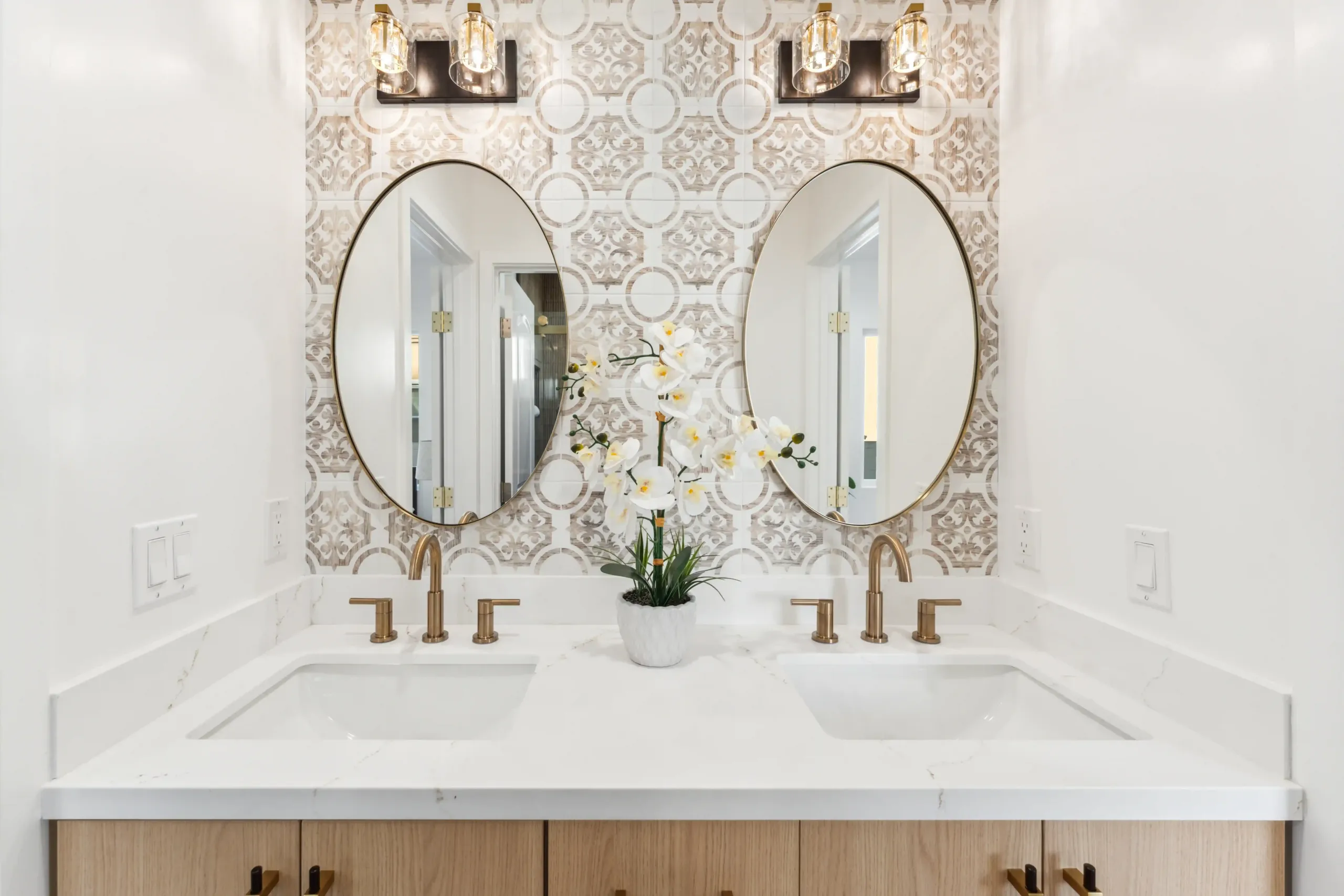
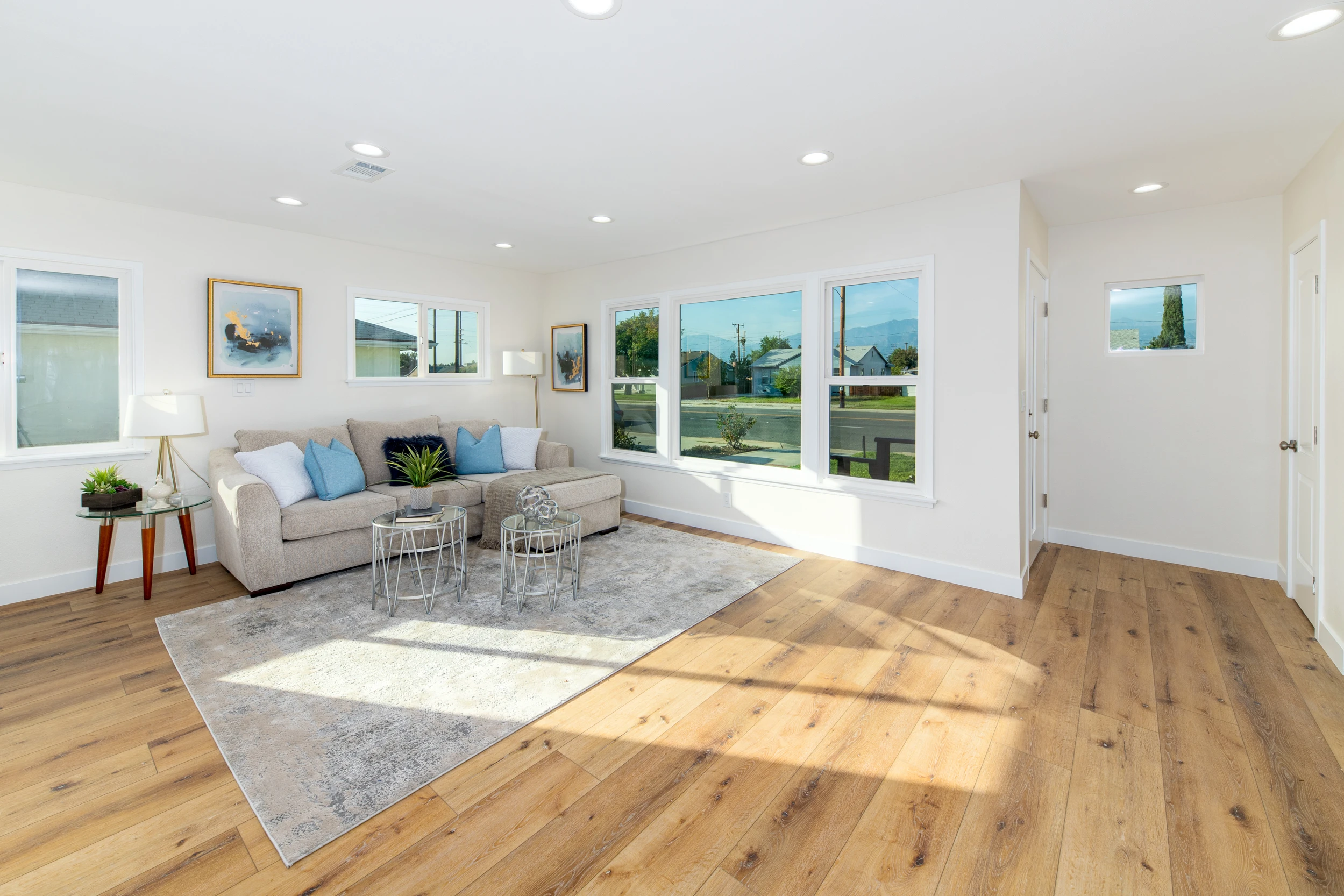
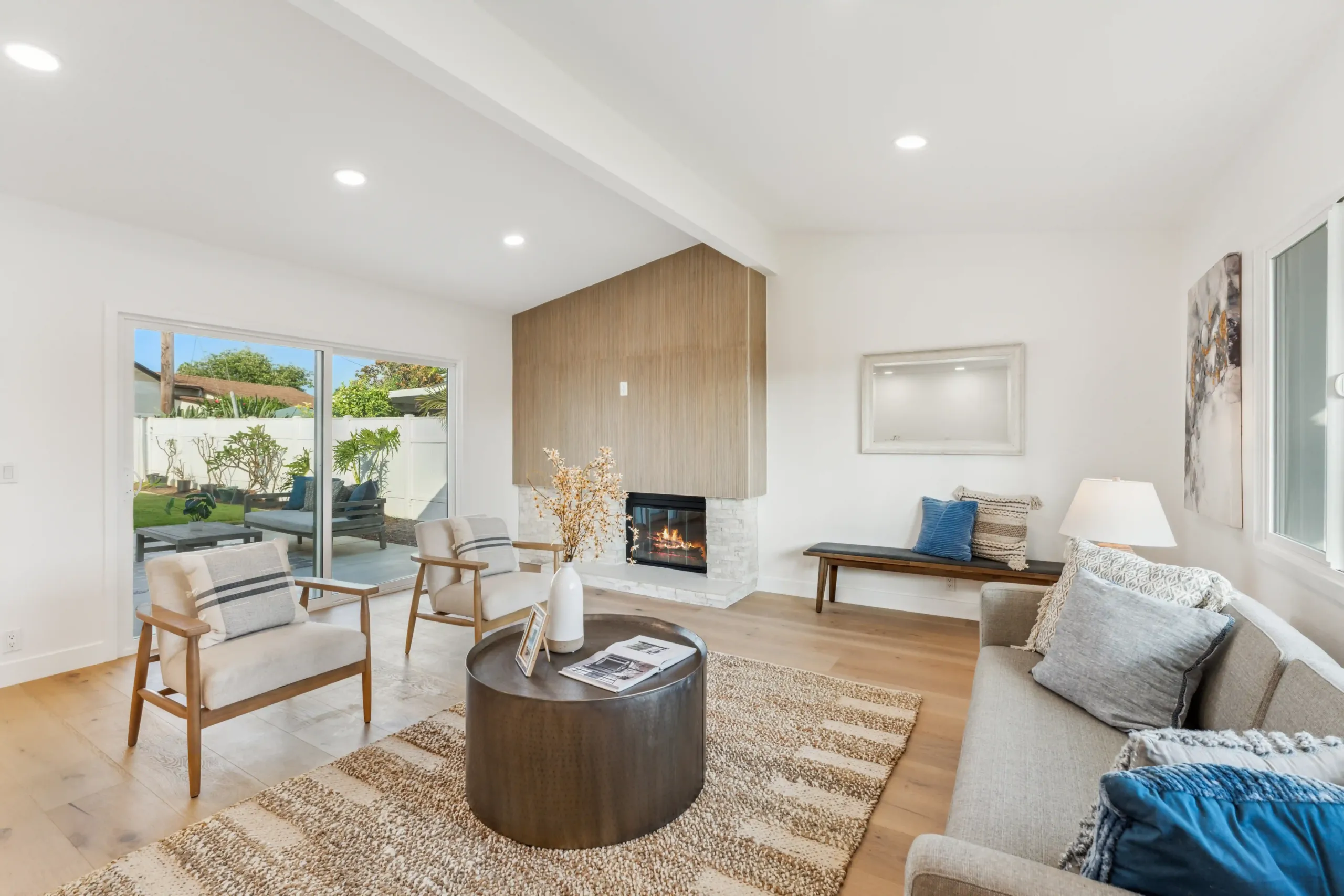
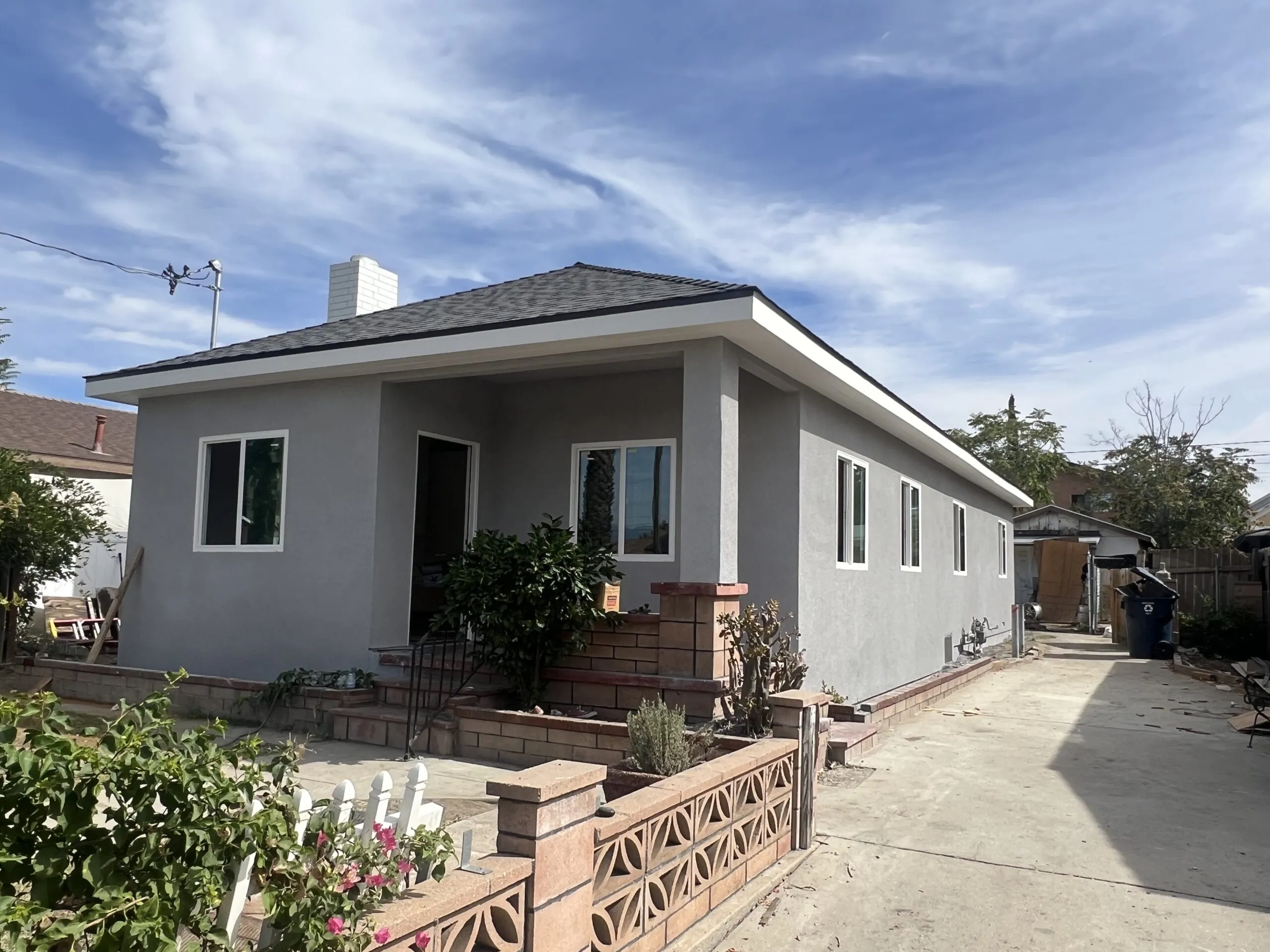

Your family has outgrown the house. The bedrooms feel tight, the home office doubles as a nursery, and everyone is tripping over each other. The obvious answer used to be simple — sell and buy something bigger. But in 2026, that math has changed, and more Ontario families are weighing second story vs moving Ontario before they call a real estate agent. When you bought or refinanced at a low mortgage rate, moving means giving that rate up and taking on a far more expensive loan on a bigger house.
Suddenly, building up on the home you already own looks like the smarter play. From Creekside and Edenglen to Ontario Center, Parkside, and New Haven, families are choosing to stay and expand. At WM Construction, we have completed 127+ home remodels across Ontario, Rancho Cucamonga, and the Inland Empire since 2014. This guide walks you through the real decision.
Why Second Story vs Moving Ontario Families Face Looks Different in 2026
The second story vs moving Ontario decision used to tilt toward moving almost automatically, because interest rates were similar whether you stayed or left. That is no longer true. Many families locked in a low rate during the years when borrowing was cheap, and that rate is now worth real money every single month. Selling to buy a bigger home means trading a low-rate loan for a high-rate one on a larger balance, which can add a punishing amount to the monthly payment. Against that backdrop, keeping the low mortgage and adding the space you need often wins by a wide margin. The rate you already hold is an asset, and building up lets you keep it.
For how an addition fits a broader plan, see our home addition contractors page for Rancho Cucamonga.
What Moving Actually Costs Beyond the Price of the House
When families run the second story vs moving Ontario numbers, they often forget how much moving costs beyond the listing price of a bigger home. The hidden costs add up fast.
- A higher interest rate: The biggest one, paid every month for the life of the new loan on a larger balance.
- Real estate commissions and closing costs: Selling and buying both carry fees that take a meaningful bite out of your equity.
- Moving expenses and disruption: Packing, moving, and settling a family into a new home carries its own cost and stress.
- Leaving the neighborhood you chose: The schools, the neighbors, and the community you built a life around are hard to put a price on.
Building up avoids every one of these. You keep the rate, the neighborhood, and the home you love while gaining the space you need. For a single-level alternative to adding up, see our bedroom addition guide for the Inland Empire.
What Building Up Involves in the Second Story vs Moving Ontario Choice
Choosing to build is not a decision to make blindly, so the second story vs moving Ontario comparison has to account for what a second story involves. Adding a floor adds significant weight, so an engineer confirms the foundation can carry it or specifies what needs reinforcing, and California code triggers seismic requirements when you build up. These are real steps, but they are manageable and well understood. A feasibility study answers the structural questions before you commit, so you know going in whether building up is straightforward or more involved for your specific home. For how foundation and feasibility work together, see our second story addition guide for Ontario.
The ROI Case for Staying and Building
Beyond keeping your low rate, the second story vs moving Ontario decision has a strong return-on-investment angle. A second story adds square footage and bedrooms to a home in a neighborhood you already know appraises well, which raises the home’s value. You are investing in an asset you keep rather than handing equity to agents and lenders in a move. For families planning to stay for years, the added space improves daily life immediately and adds value you capture whenever you eventually sell. The combination of a preserved low mortgage, a better home, and added value is why so many Ontario families now lean toward building. For how additions affect home value, see our ADUs increase home value guide for San Bernardino County.
When Moving Still Makes More Sense
Building up is not always the answer, and an honest second story vs moving Ontario discussion has to say so. Moving can still make more sense when your lot or foundation makes building up difficult or costly, when you want to change neighborhoods or school districts, when your family’s needs point to a very different kind of home, or when you simply do not want to live through a construction project. We will tell you honestly when your situation points toward moving rather than building, because the goal is the right decision for your family, not a project for its own sake. For how we plan and manage a build, see our home renovation project management guide for Rancho Cucamonga.
Living Through a Second-Story Build Without Moving Out
One worry that pushes families toward moving in the second story vs moving Ontario decision is the fear of living through construction. The good news is that a well-planned second-story build keeps your ground floor usable for most of the project. The bulk of the heavy work — framing the new floor, raising the walls, and roofing — happens above your existing ceiling, and we weatherproof the structure at each stage so your home stays protected.
There is a short, carefully managed period when the roof comes off and the new floor goes on, and we plan that window tightly, watch the forecast, and seal everything before any weather arrives. With clear weekly updates, you always know what is coming next, so the build never feels like chaos unfolding over your head. For many families, staying put through a planned build is far less disruptive than packing up and relocating to a new home and neighborhood.
Compared to the upheaval of a full move — selling, buying, packing, and resettling children into new schools — a phased second-story addition is a contained, temporary disruption with a permanent payoff. That contrast is a big part of why the build-up option keeps winning for Ontario families in 2026.
What Makes WM Construction Different for Additions in Ontario
We’re the only company in Ontario and Rancho Cucamonga that offers:
- → A free 3D design before you pay a dime
- → Weekly photo and video updates — so you always know what’s happening
- → A written contract — no hidden changes, no surprises
- → A guarantee: we won’t finish until you say you’re happy
With over 10 years of experience, we’ve been remodeling homes in Rancho Cucamonga and Ontario since 2014 — more than 10 years of real work, one home at a time. Customer satisfaction is our #1 priority, and every project we finish comes with a signed client form — we’ve completed 127+ home remodels since 2014. We get the job done right. We are licensed by the California State License Board — License 1104199. You can check it online.
Learn more about our renovation team on the renovation contractors in Ontario page.
I Want to Weigh My Options — Where Do I Start
WM Construction offers a free in-home consultation for every Ontario and Rancho Cucamonga family deciding whether to build up or move, from Creekside to New Haven. We come to your home, evaluate what building up would involve, and deliver a complete 3D design and written plan so you can compare it honestly against moving — all before you pay anything. You won’t be left guessing.
Frequently Asked Questions
Is it cheaper to add a second story or move to a bigger home?
For many Ontario families in 2026, building up wins. Moving means trading a low-rate mortgage for a high-rate one on a larger balance, plus commissions, closing costs, and moving expenses. Keeping your low rate and adding the space you need often beats buying bigger by a wide margin, though the right answer depends on your lot, foundation, and goals.
What costs does moving carry beyond the price of the house?
A higher interest rate paid every month on a larger balance is the biggest, followed by real estate commissions and closing costs on both the sale and the purchase, moving expenses, and the hard-to-price cost of leaving the neighborhood, schools, and community you chose. Building up avoids all of these.
What does building a second story involve?
Adding a floor adds significant weight, so an engineer confirms the foundation can carry it or specifies reinforcement, and California code triggers seismic requirements when you build up. These steps are manageable and well understood, and a feasibility study answers the structural questions before you commit.
When does moving still make more sense than building up?
When your lot or foundation makes building up difficult or costly, when you want to change neighborhoods or school districts, when your family needs a very different kind of home, or when you simply do not want to live through construction. We will tell you honestly when your situation points toward moving rather than building.
What makes WM Construction different from other contractors?
We don’t disappear after you pay. Every project comes with a written contract, a free 3D design upfront, weekly photo and video updates, and a final walkthrough. We give you an honest comparison of building up versus moving so you make the right decision for your family, not a project for its own sake.
Ready to Decide Between Building Up and Moving in Ontario
Contact WM Construction today at +1 (909) 906-6166 to book your free in-home consultation. With 127+ completed home remodels since 2014, California State Contractor’s License #1104199, and an honest take on every second story vs moving Ontario decision, we are the Ontario and Rancho Cucamonga contractor you can trust to help you choose the right path for your family.