



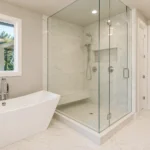
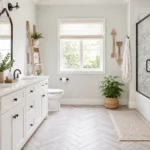
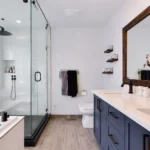

Moisture management is essential for maintaining the integrity of your bathroom floor, particularly in areas like Ontario, where humidity and water exposure can lead to long-term damage. Installing a proper moisture barrier is one of the most effective strategies to safeguard your bathroom from water-related issues. This article explores essential moisture barrier strategies and how to protect your bathroom floor effectively.
Why is a Moisture Barrier Necessary for Bathroom Floors?
In Ontario, bathrooms experience high humidity levels and frequent water exposure due to showers, baths, and sinks. Without adequate moisture control, water can seep into the subfloor, causing mold, mildew, and wood rot. A moisture barrier prevents water from penetrating the floor surface and protects the subfloor, which is crucial for ensuring the longevity and safety of your bathroom flooring.
Moisture Barrier Options for Ontario Bathroom Floors
There are several types of moisture barriers that can be used to protect your bathroom floor. Each option offers unique advantages depending on your flooring material and bathroom setup:
-
Plastic Sheeting: A cost-effective moisture barrier, plastic sheeting is commonly used for floors that are prone to water damage. It provides a reliable moisture barrier, preventing water from soaking into the subfloor.
-
Cement Board: Cement boards are highly durable and water-resistant. They’re ideal for use in areas with high water exposure, like around bathtubs and shower areas. When combined with a waterproofing membrane, cement boards offer excellent protection.
-
Waterproof Membranes: Liquid waterproof membranes, like those made from rubber or polyurethane, provide a seamless and durable layer of protection. These membranes are ideal for larger areas, ensuring no water leaks into the subfloor.
-
Vapor Barriers: Vapor barriers are commonly used in combination with other materials to block water vapor from traveling through walls and floors. This prevents moisture buildup that could cause damage over time.
Steps for Installing a Moisture Barrier in Ontario Bathroom Floors
Installing a moisture barrier is a critical part of a bathroom remodel or renovation. Here’s a general guide to ensure you’re using the right moisture control methods:
-
Preparation: Begin by cleaning the surface of your bathroom floor to remove dirt, debris, and old coatings. This ensures that the barrier adheres properly and works effectively.
-
Apply the Moisture Barrier: Depending on the type of barrier you choose (e.g., plastic sheeting, cement board, waterproof membrane), follow the manufacturer’s guidelines for application. Make sure to apply it evenly and cover all areas prone to moisture exposure.
-
Seal the Edges: Ensure that all seams and edges are properly sealed. Use waterproof tape or adhesive sealant to ensure there are no gaps for moisture to seep through.
-
Install Flooring Over the Barrier: Once the barrier is in place, you can install your bathroom flooring, whether it’s tile, vinyl, or hardwood. The moisture barrier will provide a long-lasting foundation for your flooring, preventing water damage in the future.
Maintaining Your Bathroom’s Moisture Barrier
Proper maintenance of your bathroom’s moisture barrier is essential for long-term performance. Regularly check for signs of water leakage or damage around corners, seams, and edges. If you notice any wear, it’s essential to address it immediately to avoid further damage to your bathroom floor.
How WM Construction Can Help with Moisture Control
At WM Construction, we specialize in bathroom remodeling and renovation services in Ontario. Our experienced team can guide you through selecting the best moisture barrier for your bathroom floor and install it to ensure your floor remains protected from water damage. For more details on our services, check our services page.
If you are planning a bathroom renovation, including the installation of a moisture barrier, our team can help you navigate the process. From consultation to installation, we ensure every step is handled with precision and care.
Conclusion:
Protecting your bathroom floor from moisture is essential for preserving the integrity of your home, especially in regions like Ontario where water exposure is common. Whether you are remodeling your bathroom or building a new one, using the right moisture barrier strategy can help prevent water damage and ensure the longevity of your floor.
For more information on bathroom remodeling and moisture control, contact us today.