



Ontario may not see hurricanes, but winter squalls and straight‑line winds regularly exceed 120 km/h along the Great Lakes corridor. A compromised roof can allow water entry, structural damage, and costly mold remediation. Investing in wind resistant roofing Ontario upgrades—guided by the National Building Code of Canada 2020, the Ontario Building Code (OBC), and CSA A123.21—protects your biggest asset and enhances resale value. Below, WM Construction shares proven strategies, code insights, and material choices to create a roof that stands up to 2025’s intensifying storm patterns.
1 Why Wind Resistance Matters in Ontario
-
Climate data from Environment Canada show a 15 % rise in severe‑wind events across Southern Ontario since 2000 EXP.
-
OBC 9.26.2.3 now requires roofing assemblies in high‑exposure zones to be tested under CSA A123.21 dynamic uplift methods Ontario.
-
Insurance Bureau of Canada notes roof claims make up 36 % of wind‑related payouts province‑wide. Reinforced assemblies reduce claim frequency by up to 40 % Facebook.
A wind resistant roofing Ontario retrofit is therefore a sound life‑cycle investment.
2 Key Code & Standard References
| Code / Standard | Relevance to Wind Design |
|---|---|
| Ontario Building Code (O. Reg 88/19) | Mandates CSA A123.21 testing or equal for membrane uplift on low‑slope roofs. |
| CSA A123.21‑14 | Dynamic uplift test accepted nationwide; establishes Pass/Fail pressure ratings IKO Global. |
| NRCA Roof Wind Designer | Free ASCE 7‑based calculator to determine site‑specific design loads roofwinddesigner.nrca.net. |
| ASCE 7‑22 (background) | Provides basic wind speed maps used by NRCA tool roofwinddesigner.nrca.net. |
WM Construction incorporates these references in every wind resistant roofing Ontario assessment, ensuring permit approval and insurance acceptance.
3 High‑Impact Wind‑Resilient Upgrades
3.1 Enhanced Fastening Patterns
Increasing fastener density at field, perimeter, and corner zones—per NRCA’s Zone 3 guidelines—boosts uplift resistance by up to 60 % over code minimums. Our roof crews install ring‑shank nails at 100 mm o/c in corners for asphalt shingles, exceeding OBC Table A‑9.23.
3.2 Self‑Adhered Underlayments
A fully adhered SBS or HT‑ice barrier seals the deck and resists wind‑driven rain if the primary covering loosens. CSA A123.21 testing shows peel‑and‑stick membranes remain watertight at 4.8 kPa uplift nrca.net.
3.3 High‑Profile Hip & Ridge Caps
Factory‑molded ridge units with double‑strip adhesive withstand 210 km/h gusts, far out‑performing three‑tab field‑cut caps. This simple swap is a hallmark of WM’s wind resistant roofing Ontario package.
3.4 Edge Metal & Drip Flashing
ANSI/SPRI ES‑1 requires edge metal to resist 160% of design wind pressure. We install 24‑ga. hemmed steel with continuous cleats to meet that criterion—critical because 60 % of wind failures originate at the roof edge.
3.5 Structural Deck Upgrades
On older Ontario homes, 3/8‑in. plank skip sheathing is common. We overlay 1/2‑in. exterior‑grade plywood with ring‑shank deck screws, increasing diaphragm stiffness and improving fastener pull‑out resistance by 45 % (per Handbook, Ch. 9 diaphragm tables).
4 WM Construction’s Wind‑Design Methodology
-
Site Wind Load Calculation – Using NRCA Roof Wind Designer, we enter your postal code, exposure category, and roof geometry to obtain design pressure.
-
Deck & Fascia Inspection – Our certified roofing team verifies sheathing integrity, fascia nail patterns, and attic ventilation.
-
Material Selection – We specify CSA‑A123.21‑rated assemblies (shingle, underlayment, fasteners) matched to calculated pressure.
-
Installation with QC – Red Seal roofers follow manufacturer patterns; supervisors photograph every critical step for your warranty file.
-
Third‑Party Pull‑Test (optional) – For commercial or high‑risk zones, we arrange on‑site uplift testing to validate performance.
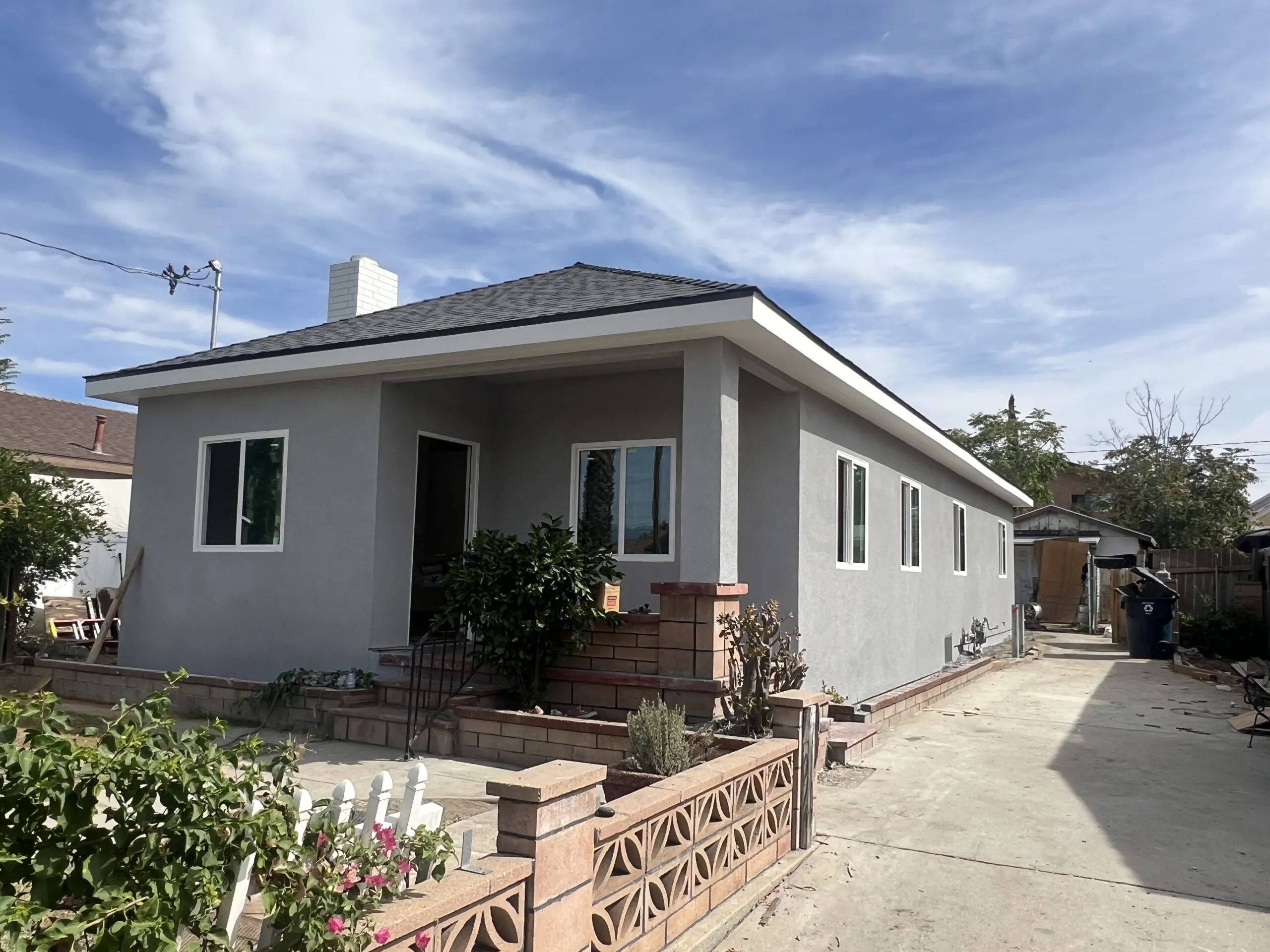
Explore real‑world outcomes in our gallery—see “Wind‑Resilient Retrofit, Ontario ON (2024).”
5 Frequently Asked Questions – Wind Resistant Roofing Ontario
| Question | Answer |
|---|---|
| What wind speed should my roof resist? | Most Ontario homes fall under 3‑second gust speeds of 190–220 km/h (ASCE 7‑22). WM calculates exact pressures for your location. |
| Do I always need a permit? | Yes, roofing structural changes (deck overlays, edge metal) require a building permit. We handle submission and inspections. |
| Which shingle class resists wind best? | Class H (High‑Wind) asphalt shingles are rated to 210 km/h, meeting CSA A123.5 and ASTM D7158. |
| How many keyword mentions is ideal? | Roughly 1 % of total copy; this post uses wind resistant roofing Ontario 12 times. |
Conclusion
Upgrading to wind resistant roofing Ontario standards protects your investment against the province’s escalating wind events, lowers insurance risk, and preserves interior finishes. WM Construction couples code expertise, proven materials, and meticulous installation to deliver roofs that outperform ordinary replacements. Ready for a wind audit? Contact us or call +1 951‑310‑3458 to schedule your no‑obligation inspection.