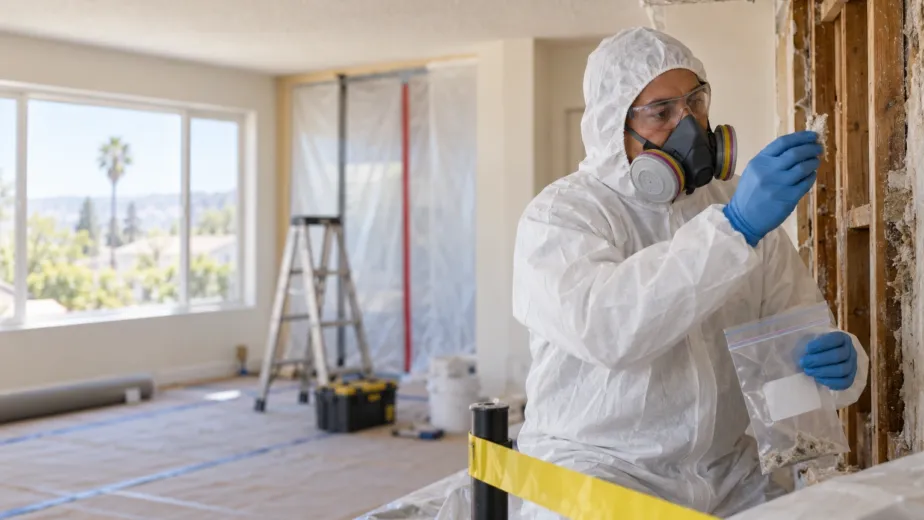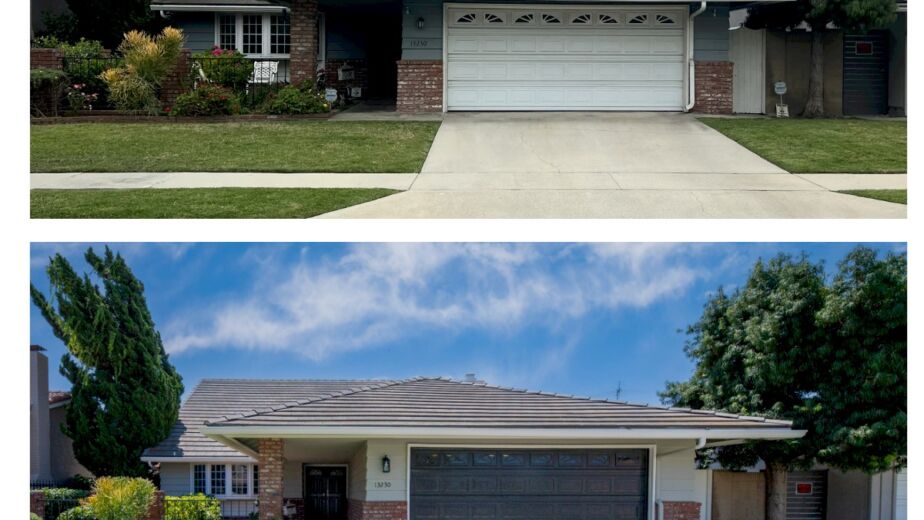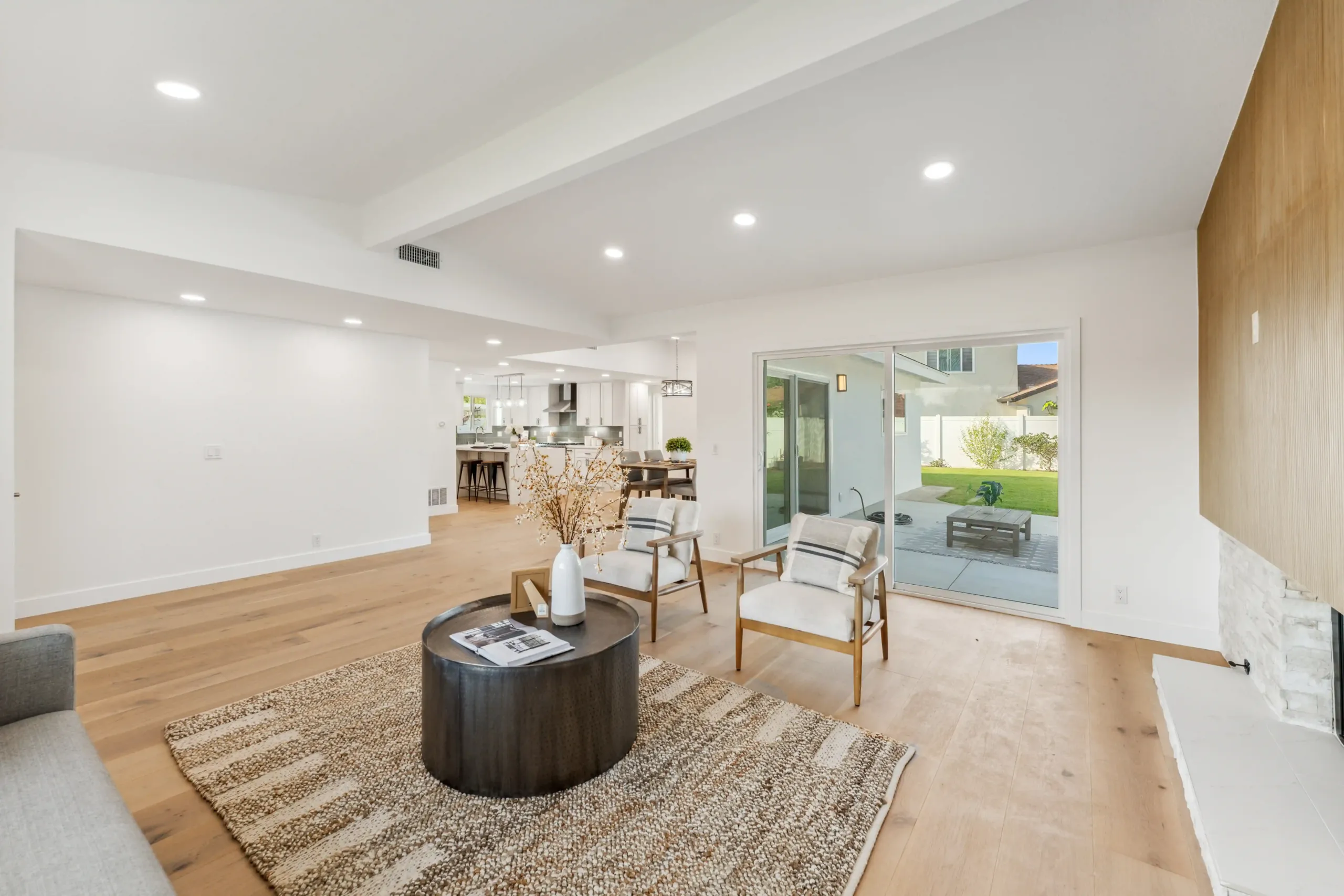
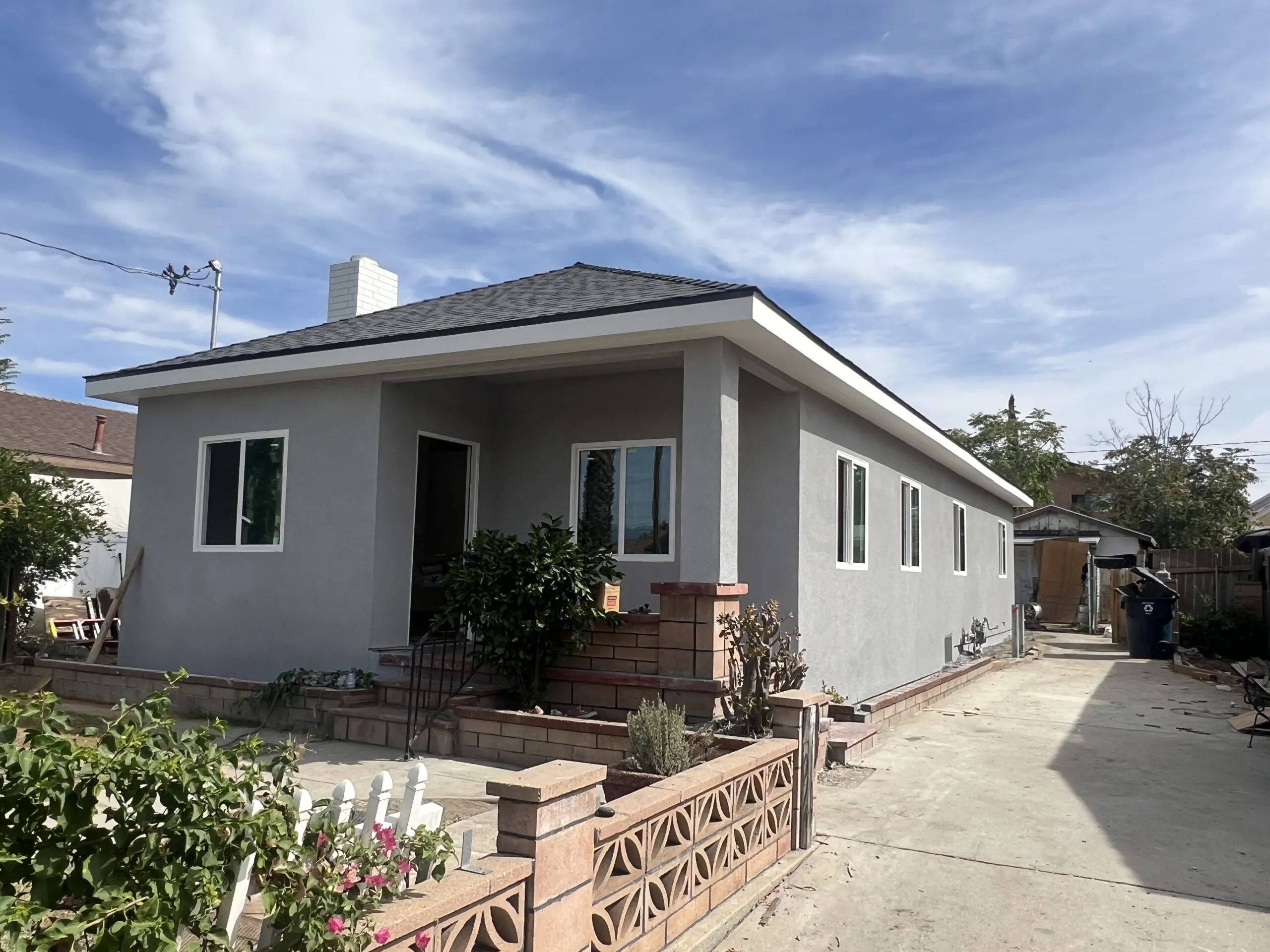
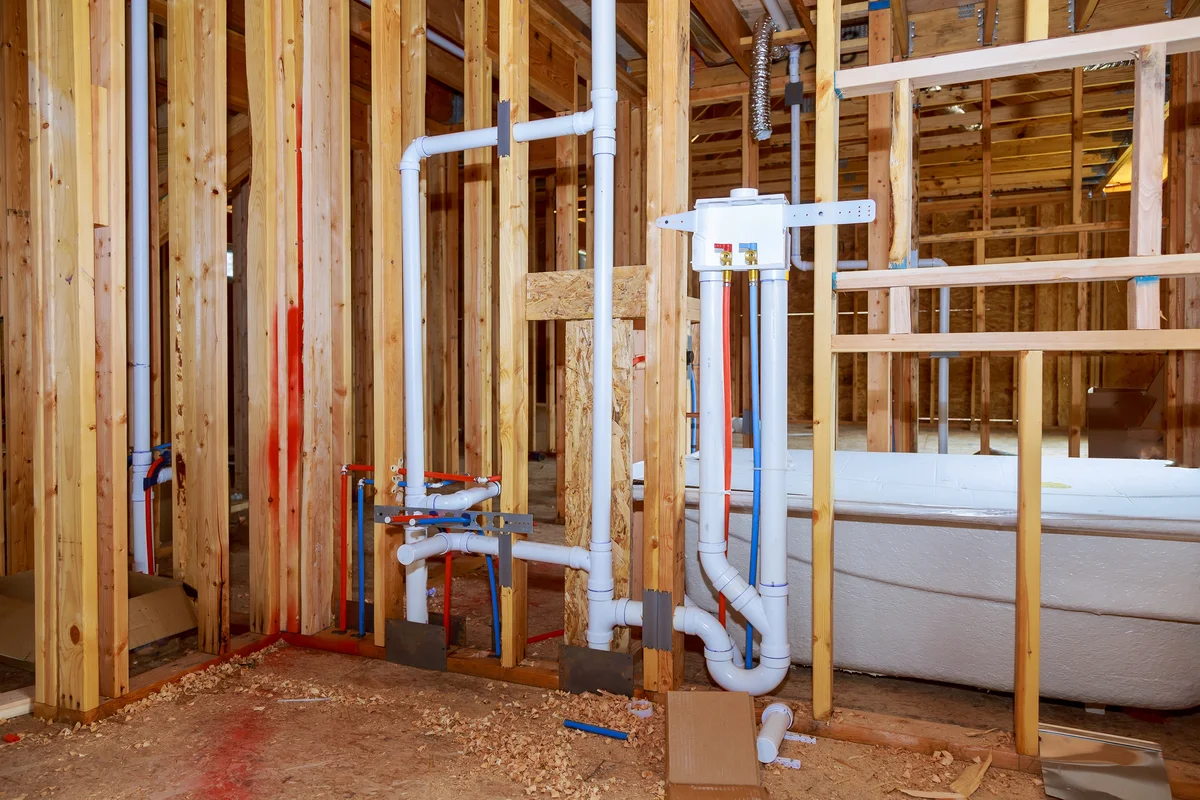
If you’re planning a room addition, a home expansion, or a house update, home addition plumbing is one of the most important “behind-the-walls” decisions you’ll make. Done right, your new bathroom, laundry, or kitchenette works quietly for decades. Done wrong, you can end up with slow drains, sewer odors, noisy pipes, or repeated repairs.
This guide breaks down what homeowners in the Inland Empire should understand about home addition plumbing: how water lines connect, how drain lines flow, how venting protects traps, and how permits and inspections typically fit into the process. We’ll keep it practical and homeowner-friendly.
With over 10 years of experience
We’ve been remodeling homes in Rancho Cucamonga and Ontario since 2014 — more than 10 years of real work, one home at a time.

Customer satisfaction is our 1 priority

Every project we finish comes with a signed client form — we’ve completed 127+ home remodels since 2014.

We get the job done right

We are licensed by the California State License Board — License #1075983. You can check it online. (CSLB license check)
If you want help planning a compliant addition from design to final inspection, start here: WM Construction services.
1) Start With the “Plumbing Map”- What Your Addition Needs
Before anyone opens a wall, define the plumbing loads and fixtures your addition will include. In plain English, that means:
- Water supply (hot and cold): sinks, showers, tubs, laundry, hose bibs.
- Drain/waste (gravity flow): toilets, sinks, showers, tubs, floor drains.
- Venting (air movement): prevents siphoning traps and sewer gas issues.
Even a “simple” room addition can change the load on your existing system—especially if your addition adds a bathroom. That’s why a smart home addition plumbing plan always starts with a site review, a fixture list, and a routing sketch (drawing/plan/blueprint) that shows supply, drainage, and vent paths.
Planning a larger project? Combine your plumbing plan with your overall home additions in Rancho Cucamonga scope so trades don’t clash during framing and drywall.
2) Water Lines- How to Extend Supply Without Pressure Problems
Most homeowner complaints after an addition come down to pressure and temperature stability: “the shower gets cold when the sink runs.” To avoid that, home addition plumbing must consider distance, pipe sizing, and how the new lines tie into the existing manifold/branches.
Key homeowner-friendly best practices:
- Choose the right tie-in point: A closer tie-in often means better pressure and faster hot water delivery.
- Minimize unnecessary elbows and long runs: Every turn adds friction loss.
- Plan shutoff valves: Add shutoffs so future service doesn’t require shutting water to the entire house.
- Backflow protection where needed: Certain fixtures and irrigation connections may require protection depending on configuration and local requirements.
For homeowners: ask your contractor where the new hot and cold branches will connect and how they will keep pressure balanced across the home. This is especially important when an addition includes a shower and laundry.
Want to see how WM Construction documents real work? Browse the project gallery and match the finish quality with the “hidden” quality behind walls.
3) Drain Lines- Gravity, Slope, Cleanouts, and Long-Term Reliability
Drainage is not “just pipes.” A reliable drain system depends on gravity flow and correct slope. When home addition plumbing is rushed, drains become slow, noisy, or clog-prone because the routing forces awkward turns or poor alignment.
Homeowner checkpoints that matter:
- Shortest practical path to the main: Fewer turns and better flow.
- Cleanouts in smart locations: Cleanouts make future maintenance faster and less destructive.
- Protect the structure: Oversized notches/cuts in framing can become a structural problem—routing must respect framing rules.
- Separate wet areas correctly: Bathrooms and laundry areas need extra attention to avoid odor and moisture issues.
If your addition is in Ontario, CA and you’re doing a bigger renovation at the same time, coordinate drainage changes with your broader project plan through renovation contractors in Ontario so the sequencing is clean (demo → rough plumbing → inspection → insulation → drywall).
4) Venting- The Most Overlooked Part of Home Addition Plumbing
Venting is what protects your traps (the water seal under sinks/showers) and helps drains flow properly. Without correct venting, traps can siphon, and sewer odors can enter the home. That’s why venting is central to home addition plumbing quality and code compliance.
What homeowners should know:
- Every fixture needs vent protection: Some vents are individual; others are shared depending on layout and code allowances.
- Vents must terminate correctly: Roof terminations and clearances matter for safety and performance.
- Remodel vent conflicts are common: New beams, second-story framing, and rooflines can complicate vent routes.
Because plumbing codes are adopted and enforced locally, always confirm venting and drainage rules with your jurisdiction and inspection requirements. For reference and code-cycle context, see examples of California city code adoption notices and Title 24 updates, then verify what applies to your property and permit. (See: Wasco code adoption FAQ and Vallejo building code updates.)
5) Permits and Inspections- What Homeowners Should Expect
Most additions that involve moving or adding plumbing require permits and inspections. Permit workflows vary, but the homeowner-friendly principle is consistent: inspections protect you by confirming critical work is safe before it’s covered.
In Rancho Cucamonga, inspection procedures are governed through the City’s building and safety process and adopted code framework, and many homeowners use the City’s online portal to track permits and schedule inspections. (See: City of Rancho Cucamonga building code provisions and Rancho Cucamonga Accela Citizen Access.)
In Ontario, CA, homeowners can review the City’s building and safety resources to understand submittal pathways and permit processing steps. (See: Ontario Building & Safety.)
Tip: Ask your contractor to outline the inspection checkpoints (rough plumbing, pressure tests if applicable, waterproofing where relevant, and final). This is a simple way to measure professionalism in home addition plumbing.
6) Waterproofing Coordination- Bathrooms and Wet Zones in an Addition
If your addition includes a bathroom, you’re not just extending plumbing—you’re building a water-managed system: substrate, waterproofing membranes, transitions, and penetrations must all work together.
For design inspiration and practical planning, you can pair this plumbing guidance with:
- bathroom remodel in Ontario, CA
- walk-in shower options in Rancho Cucamonga
- bathroom trends in Ontario
7) How WM Construction Runs a Home Addition Plumbing Plan (Methodology)
Homeowners don’t want surprises. Here’s a clear, repeatable workflow WM Construction uses to keep home addition plumbing predictable:
- Free onsite visit: We walk the existing system, locate tie-in points, and confirm fixture goals.
- Routing plan (drawing/plan/blueprint): We map supply, drainage, and vent paths to reduce conflicts with framing.
- Permit support: We help align the scope with the local permit and inspection process.
- Rough-in + checkpoint: We complete rough plumbing and prepare for inspection before walls close.
- Finish coordination: We align final trims with tile, cabinetry, and fixtures for a clean, durable result.
We’re the only company in Rancho Cucamonga and Ontario that offers:
- → A free 3D design before you pay a dime
- → Weekly photo and video updates — so you always know what’s happening
- → A written contract — no hidden changes, no surprises
- → A guarantee: we won’t finish until you say you’re happy
To plan your addition end-to-end with one team, start with home addition contractors in Rancho Cucamonga or see home addition services in Ontario, CA.
8) Red Flags Homeowners Should Watch For
Before you hire anyone for home addition plumbing, watch for these warning signs:
- No license verification: Always confirm CSLB status and details.
- No written plan: “We’ll figure it out later” often becomes demolition and delays.
- Venting is ignored: If venting isn’t discussed, performance problems follow.
- No inspection roadmap: Professional teams can explain the checkpoints clearly.
Want to know who you’re hiring? Visit About WM Construction and then request a free visit through Contact WM Construction.
FAQ’S
I want to remodel my kitchen — what’s the first step?
We come to your home for a free meeting… We build it exactly how you want it.
Can you help me build an ADU on my property?
Yes. We specialize in ADUs in Rancho Cucamonga and Ontario — from the first sketch to the final inspection…
How long does a full home remodel take?
Most projects take 8 to 12 weeks… You won’t be left wondering what’s happening.
What makes you different from other contractors?
We don’t disappear after you pay… We don’t say “it’s done” until you say it’s right.
I’m scared to pay upfront — what if you disappear?
We start with a written contract — every detail is there… And we won’t finish the job until you’re happy.
Do I need a permit for home addition plumbing?
Many plumbing changes in an addition require permits and inspections. Requirements depend on your city and scope—confirm with your local building department and your licensed contractor.
Why does venting matter in home addition plumbing?
Venting protects traps and improves drainage performance. Without proper venting, you may get slow drains or sewer odors.
Conclusion
If you’re planning an addition and want the plumbing extended correctly—water lines, drain lines, venting, and permit coordination—call WM Construction at +1 951-310-3458. You can also send details to walid@wmconstructionco.com and request a free visit.
Key sources
-
CSLB “Check a License” lookup (for verifying License #1075983).
-
City of Ontario, CA Building & Safety page (permit/department reference).
-
City of Rancho Cucamonga building code framework + inspection governance context.
-
Rancho Cucamonga permit/inspection portal (Accela Citizen Access).
-
CA code-cycle/adoption examples used to encourage local verification (Wasco + Vallejo).