
A garage can be much more than a place to park a car or store boxes. For many Inland Empire homeowners A garage conversion to ADU can provide housing for family members, create rental income, or add functional space to a property. But a garage conversion ADU Inland Empire homeowners undertake requires considerably more than adding drywall and flooring.
What Is a Garage Conversion ADU?
A garage conversion ADU transforms an existing attached or detached garage into a permitted residential unit. Unlike a simple garage-to-bedroom conversion, a complete ADU generally needs independent living functions such as:
- Sleeping space
- Bathroom
- Kitchen or cooking area
- Living space
- Separate entrance
- Electrical systems
- Plumbing
- Heating and cooling
The existing garage provides a valuable starting point for a garage conversion ADU Inland Empire project because the structure, roof, and foundation may already exist — see our ADU home addition ideas guide for how a garage conversion compares to other ADU types.
Why Garage Conversion ADU Inland Empire Are Attractive?
Building a detached ADU requires new construction from the ground up. A garage conversion ADU Inland Empire project uses an existing structure, which can reduce the amount of new construction required. According to wmconstructionco’s current Inland Empire ADU guide, garage conversions are among the more affordable ADU options, with 2026 estimates varying according to whether the garage is attached or detached and the level of finishes selected.
Can Any Garage Become an ADU?
Not necessarily. Before designing the interior, the existing structure needs to be evaluated. Important considerations include:
- Garage dimensions
- Ceiling height
- Existing slab condition
- Garage door configuration
- Natural light
- Ventilation
- Electrical capacity
- Plumbing access
- Sewer connection
- Property layout
- Local zoning and building requirements
A site evaluation can reveal problems that aren’t obvious from simply measuring the garage, which is why a proper assessment should precede any garage conversion ADU Inland Empire homeowners plan.
Garage Door Conversion Is a Major Design Decision
The existing garage door opening is one of the most visible differences between a garage and a home. Depending on the design, the opening may be framed in and replaced with:
- Standard windows
- Large residential windows
- A new exterior door
- A combination of windows and doors
The finished exterior should look like a legitimate residential space rather than a garage that was simply covered up, a key visual goal of a successful garage conversion ADU Inland Empire project.
Plumbing Is Often the Biggest Challenge
A bathroom and kitchen require water supply and drainage. The location of existing sewer lines can therefore have a significant impact on the project. If the garage is far from an appropriate sewer connection, additional trenching or utility work may be required. The layout should ideally be designed around practical plumbing routes rather than forcing fixtures into locations that make construction unnecessarily complicated. Electrical Systems Need to Be Upgraded A garage’s existing electrical setup may have been designed for lights, outlets, and a garage door opener. That is very different from the electrical demand of a dwelling. An ADU may require circuits for:
- Refrigerator
- Microwave
- Range
- Water heater
- HVAC
- Bathroom outlets
- Lighting
- General receptacles
The electrical design should be completed as part of the permit and construction process for any garage conversion ADU Inland Empire homeowners are pursuing.
Insulation and Climate Control
An unfinished garage typically does not have the same thermal envelope as a residential room. Converting it into habitable space means addressing:
- Wall insulation
- Ceiling insulation
- Air sealing
- Windows
- Doors
- Heating
- Cooling
This becomes particularly important for a garage conversion ADU Inland Empire homeowners plan, since summer temperatures can be extreme.
Flooring Is Another Important Upgrade
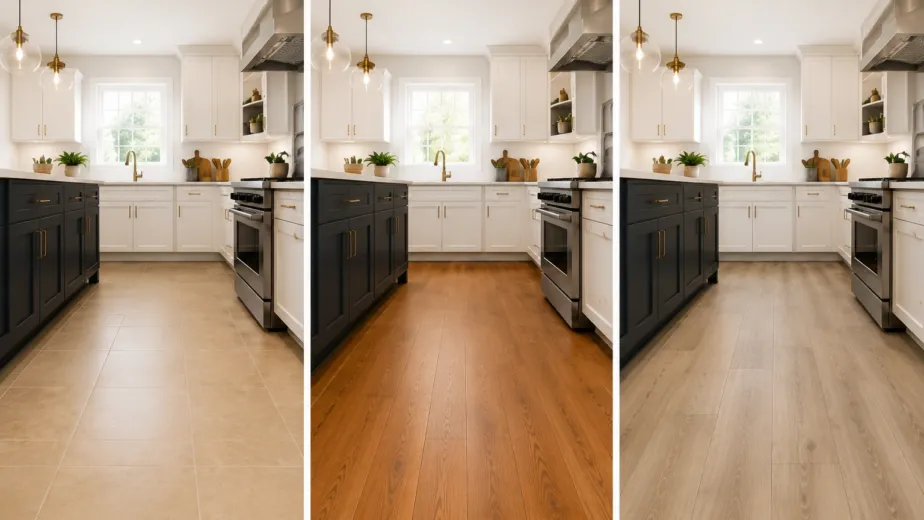
Garage slabs can have slopes, cracks, moisture issues, or surface irregularities. The floor may need preparation before installing residential flooring. LVP is often considered for ADU conversions because of its practical maintenance and moisture resistance. Tile is another strong option, particularly for bathrooms and kitchen areas our best kitchen flooring options for Inland Empire homes guide covers this in more depth for an ADU kitchenette. wm construction co’s flooring installation service covers hardwood, LVP, tile, laminate, and other residential flooring systems suitable for a garage conversion ADU Inland Empire project. How Much Does a Garage Conversion ADU Cost? Current wm construction co guidance places Inland Empire garage conversions broadly around $85,000–$160,000, with attached conversions generally falling toward the lower portion of the range and detached conversions potentially costing more see our full ADU cost Rancho Cucamonga breakdown for a detailed line-item comparison. The final budget depends on:
- Garage size
- Attached vs detached construction
- Plumbing distance
- Electrical upgrades
- Structural changes
- Windows and doors
- HVAC
- Interior finishes
- Kitchen quality
- Bathroom design
- Permit and engineering requirements
How Long Does a Garage Conversion Take?
The total project is longer than the visible construction period. Design, engineering, permitting, inspections, material ordering, and construction all contribute to the schedule. wmconstructionco’s current ADU guide estimates garage conversion projects at roughly 6–10 months from design through completion, depending on project conditions and permitting.
Why Permits Matter?
An unpermitted garage conversion can create problems when selling or refinancing a property. It can also create concerns regarding insurance, safety, and future inspections. wmconstructionco’s garage conversion permit guide explains the permitting process and why garage conversions need to be brought into compliance before being treated as legal living spaces.
Is a Garage Conversion Better Than a Detached ADU?
It depends on the property. A garage conversion can be more efficient when an existing garage is structurally suitable and located conveniently near utilities. A detached ADU provides greater flexibility in layout, privacy, and design but requires substantially more new construction — homeowners weighing a smaller footprint sometimes also consider a Junior ADU (JADU) as a third path. The right option should be selected after evaluating the actual lot, since not every garage conversion ADU Inland Empire property is equally well suited to the same approach.
Start With a Feasibility Assessment
The smartest first step in a garage conversion to ADU project is not demolition. It’s determining whether the garage can legally and practically become the space you want. WM construction co provides ADU feasibility consultations and handles design, permitting, construction, and final inspection as part of its ADU construction services.
Request a consultation to evaluate your garage and determine the most practical path forward.