




A full home remodel changes more than the appearance of your house. It can affect your kitchen, bathrooms, bedrooms, storage, parking, routines, and privacy at the same time. That is why the question of where to live during home remodel planning deserves attention before demolition begins.
Some homeowners can remain at home through a carefully contained kitchen or bathroom project. Others move out because the dust, noise, utility interruptions, and limited access create too much disruption. Neither decision works for every household.
The best choice depends on the project scope, the number of usable rooms, the schedule, the needs of children and pets, and the quality of the contractor’s planning. This guide helps Ontario and Rancho Cucamonga homeowners compare staying home, renting nearby, using an extended-stay hotel, or moving in with family.
Where to Live During Home Remodel Decision Framework
Start with the construction scope instead of choosing temporary housing based only on the project name.
| Project condition | Usually practical choice | Main reason |
|---|---|---|
| Kitchen-only remodel with one usable bathroom and a temporary cooking setup | Stay home if the work zone can remain isolated | The family can keep sleeping areas and basic utilities |
| Bathroom remodel with another working bathroom | Stay home when access and dust control remain reasonable | The household still has essential facilities |
| Multiple bathrooms, bedrooms, and common areas under construction | Consider a short-term rental | The project affects daily routines across the home |
| Whole-home remodel with open walls, major utility shutdowns, or HVAC work | Move out | The home may not provide safe or comfortable living conditions |
| Full remodel with children, pets, medical needs, or remote work | Compare moving out against the cost of disruption | Household needs may require more control and quiet |
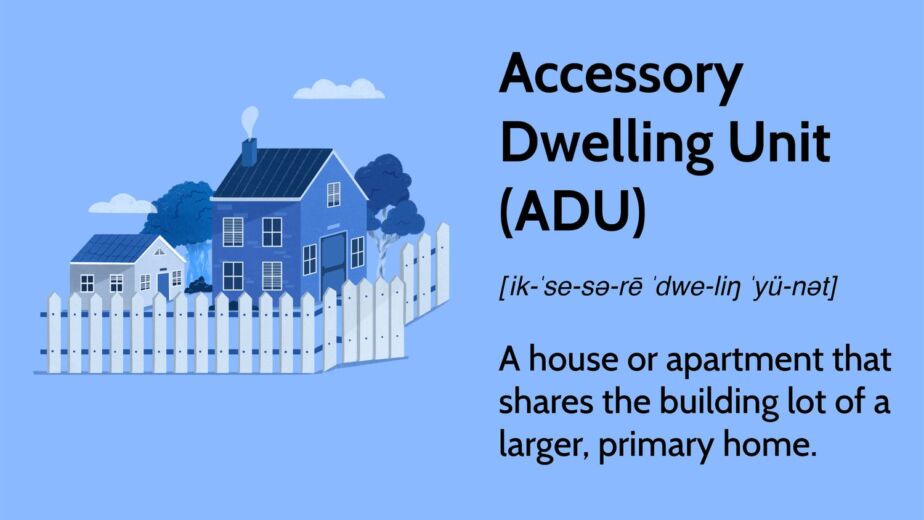
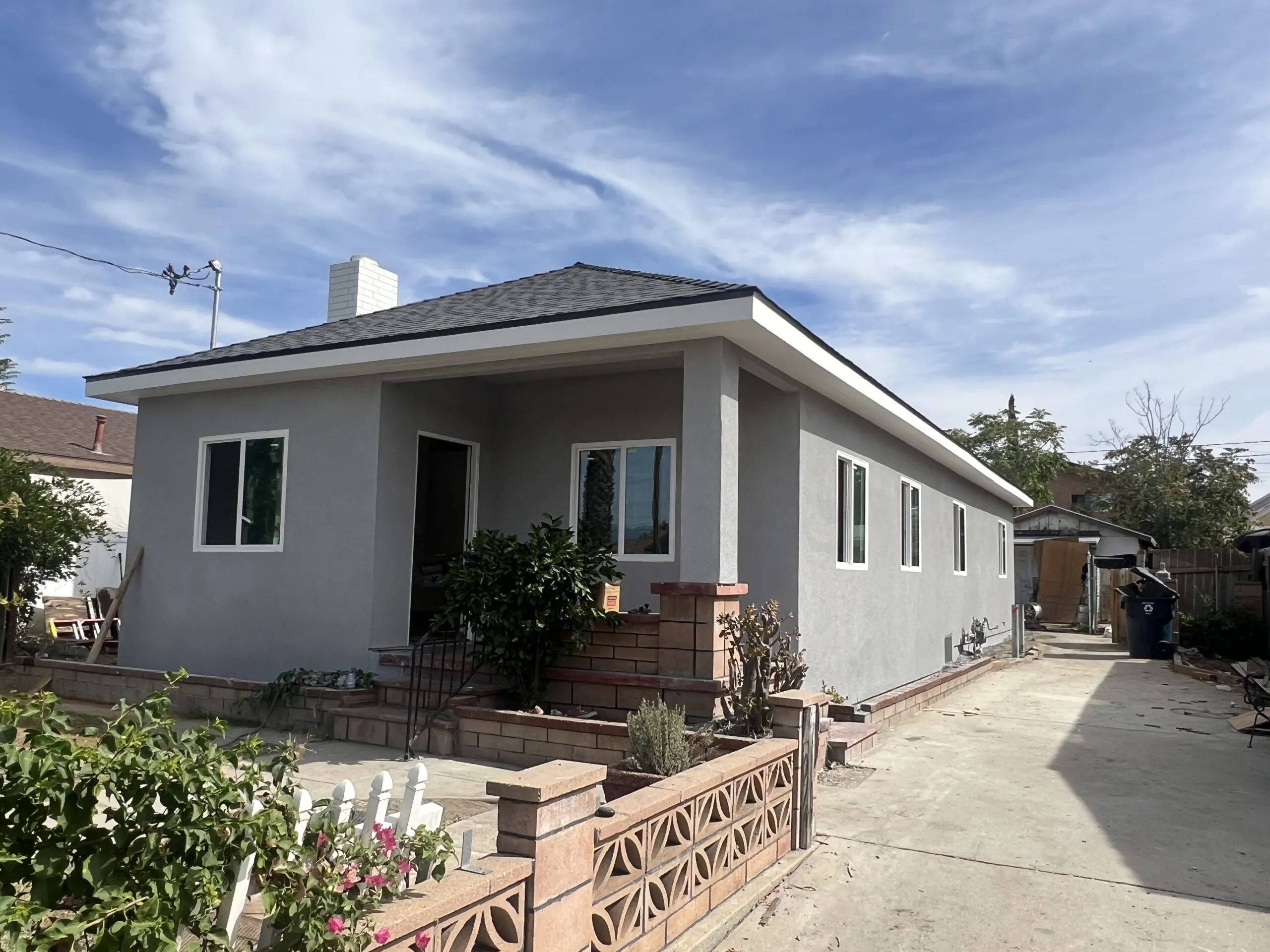
| ADU or detached addition only | Stay home if the contractor maintains a separate access route | The main home may remain functional |
The answer to where to live during home remodel work should come from a written scope and schedule. Ask your contractor which rooms will remain usable, when utilities may shut down, where workers will enter, and how the team will protect occupied areas.
When Living Through Remodel California Can Work
Living through remodel California projects can work when the contractor divides the home into clear construction and living zones. The project should have a door or barrier between the work area and the occupied area. Workers should also have a defined path that does not cross bedrooms or personal storage.
Staying home may make sense when:
- You have at least one working bathroom.
- You can prepare simple meals or use a temporary kitchen.
- The contractor can contain dust and debris.
- Your sleeping area remains outside the active construction zone.
- The family can tolerate daytime noise.
- The schedule includes predictable access and utility interruptions.
- You do not need a quiet home office during construction hours.
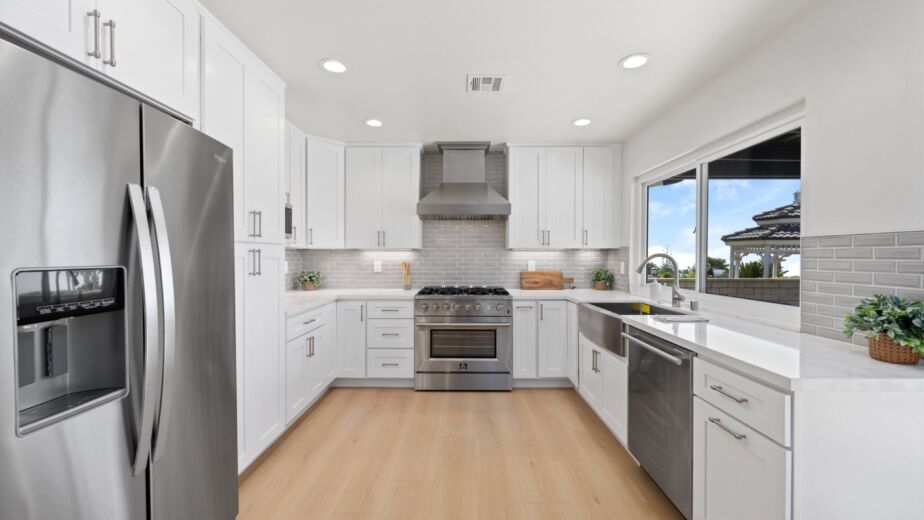
A kitchen remodeling project often allows homeowners to stay when the contractor creates a temporary sink, refrigerator, microwave, or food-preparation area. However, a kitchen that remains technically usable may still feel exhausting if the project affects the living room, hallway, dining area, and main entrance.
Before staying, ask for a daily cleanup plan. You should know when workers will cover floors, remove debris, clean access paths, and secure tools at the end of the day.
When to Leave During a Full Remodel
A full remodel can become difficult to live through when the project affects the systems that make the house functional.
Consider moving out when:
- The home has no reliable bathroom.
- The kitchen and dining area will remain unavailable for several weeks.
- Workers will open ceilings, floors, or multiple exterior walls.
- The HVAC system will not operate normally.
- Electrical or water shutoffs will occur regularly.
- Dust barriers cannot separate living and construction zones.
- The family includes young children or people with respiratory sensitivities.
- The project requires repeated demolition, framing, sanding, or drywall work.
- You work from home and cannot tolerate daytime noise.
- Your pets may escape through open doors or become distressed by constant activity.
You do not need to wait for an emergency. If the contractor expects the household to live around open walls, temporary wiring, exposed plumbing, or daily demolition, discuss alternative housing before work starts.
For a bathroom remodel, staying home may work when the crew can isolate one bathroom and maintain another. A whole-home renovation creates a different decision because the project can affect bedrooms, hallways, storage, utilities, and the route to every room.
Short Term Rental During Renovation Costs in Ontario
A short-term rental during renovation can provide privacy, a kitchen, laundry, parking, and a stable routine. It can also add a significant cost to the project, especially when the remodel lasts longer than expected.
For planning purposes, use these preliminary budgeting bands for the Ontario and Rancho Cucamonga area. They are planning reserves, not guaranteed market rates.
| Temporary housing option | Preliminary monthly planning band | Best fit |
|---|---|---|
| Furnished studio or one-bedroom | $2,000–$3,500 | One person or a couple |
| Furnished two-bedroom rental | $3,000–$4,800 | Small family or two adults working remotely |
| Furnished three-bedroom rental | $4,000–$6,000 or more | Larger family needing separate bedrooms |
| Extended-stay hotel suite | Often higher after taxes and fees | Short stays with flexible dates |
| Family or friend arrangement | Varies | Households with a dependable arrangement |
Check current listings in Ontario, Rancho Cucamonga, Upland, Chino, and nearby communities. Platforms such as Furnished Finder focus on monthly furnished rentals, while hotels may offer weekly or extended-stay rates.
Ask for the complete amount before booking. Include:
- Rent or nightly rate
- Cleaning fees
- Service charges
- Security deposit
- Pet fees
- Parking fees
- Utility charges
- Internet
- Laundry
- Travel time to work and school
- Storage and moving costs
A lower monthly rent may become more expensive if it adds a long commute, paid parking, restaurant meals, or a separate storage unit.
Calculate Your Remodel Displacement Cost
Your remodel displacement cost includes more than rent. Use a complete temporary-housing budget before deciding whether to leave.
Add these categories:
- Temporary rent or hotel charges
- Security deposit and application fees
- Moving labor or truck rental
- Storage for furniture and household items
- Additional fuel and commuting time
- Restaurant meals if the temporary home lacks a kitchen
- Pet boarding or pet-friendly housing fees
- Laundry and cleaning costs
- Utility connection or cancellation fees
- A reserve for schedule extensions
If your contractor gives you a ten-week schedule, do not book a nonrefundable rental that ends on the final scheduled day. Ask for a realistic completion range and keep enough flexibility for inspections, material delays, corrections, and final walkthrough work.
A two-week reserve can protect the household from a rushed move back into a home that still needs flooring, paint, fixtures, or final cleaning.
How to Prepare Before You Move Out
If you decide where to live during home remodel work before demolition, prepare the temporary move like a small relocation.
Keep Only What You Need
Pack clothing, medications, school items, work equipment, essential kitchen tools, documents, and daily toiletries. Store fragile items and furniture away from the work zone.
Photograph the Existing Home
Take photos of furniture, electronics, walls, floors, and valuable items before moving them. Keep copies in cloud storage. Photos can help you document the condition of belongings and confirm what remains in the house.
Protect Important Documents
Remove passports, financial records, jewelry, sentimental items, and small valuables from the construction area. Do not leave irreplaceable items in a room that workers must access.
Plan Mail and Deliveries
Update delivery instructions and decide who will receive appliances, fixtures, cabinets, or other project materials. A contractor should know where deliveries can arrive without blocking access or exposing materials to damage.
Confirm Insurance Questions
Do not assume homeowners insurance will pay for temporary housing during an elective remodel. Ask your insurance carrier in writing. Coverage may work differently when construction follows a covered loss instead of a planned renovation.
Build a Realistic Timeline With Your Contractor
A reliable schedule helps you choose where to live during home remodel work. Ask for more than a single finish date.
Your planning schedule should identify:
- Design approval
- Permit submission and approval
- Demolition
- Structural or framing work
- Plumbing and electrical rough-ins
- Inspections
- Drywall and paint
- Cabinet and countertop installation
- Flooring and tile
- Fixture installation
- Final corrections
- Cleaning and walkthrough
The City of Ontario explains that permit-required construction moves through inspections and that plumbing, electrical, framing, and other work may require approval before the project continues. Review the City of Ontario permit FAQs.
If the home was built before 1978 and workers will disturb painted surfaces, ask whether the EPA Renovation, Repair and Painting program applies. That question can affect containment, scheduling, and contractor selection.
WM Construction provides free 3D design before payment and weekly project photo and video updates. Those updates can help homeowners understand the actual progress and make better decisions about extending a rental or planning a return home.
Keep the Project Livable if You Stay
If your family stays in the house, agree on project rules before demolition.
Ask the contractor to establish:
- A sealed boundary around the work zone
- A designated worker entrance
- Daily debris removal
- Floor and furniture protection
- Working hours
- Utility shutoff notice
- Bathroom access rules
- A safe area for children and pets
- A contact person for urgent questions
- A weekly schedule update
Keep children away from tools, open framing, exposed wiring, wet finishes, and construction debris. Secure doors and gates so pets cannot enter the work area or escape through an open exterior door.
If the renovation expands from one room into several rooms, revisit the question of where to live during home remodel work. Staying home can make sense on Monday and become unreasonable after demolition exposes unexpected conditions.
Frequently Asked Questions
Where to live during home remodel work with children
Choose a furnished rental, extended-stay suite, or family arrangement when construction affects bedrooms, bathrooms, the kitchen, or the main circulation path. Children usually need consistent sleep, meals, and safe play areas that an active job site cannot provide.
Can I stay home during a kitchen remodel
You may be able to stay when the contractor provides a temporary cooking area, protects the living zone, maintains one bathroom, and controls dust. Ask how long the kitchen will remain unavailable and where your family will eat.
Should I move out for a bathroom remodel
You may not need to move out if another bathroom remains available and the contractor can isolate the work area. Consider leaving if the home has one bathroom, the project includes major plumbing changes, or the schedule includes long utility interruptions.
How much should I budget for temporary housing
Use live Ontario and Rancho Cucamonga listings to price the actual dates. As a starting planning reserve, furnished housing may range from roughly $2,000 to $6,000 or more per month depending on bedrooms, location, season, and amenities. Add deposits, storage, meals, transportation, and schedule contingency.
Does homeowners insurance pay for temporary housing during a remodel
Do not assume it does. Planned remodeling and repairs after a covered loss can receive different treatment. Ask your insurance carrier for a written answer before signing a rental agreement.
How do I know when it is safe to move back home
Move back after the contractor completes the agreed work, required inspections, final cleaning, and walkthrough. Confirm that utilities operate correctly, floors and stairs remain safe, fixtures work, and no active construction hazards remain.
Book a Consult for a Realistic Timeline
WM Construction serves Ontario, Rancho Cucamonga, and nearby Inland Empire communities with residential remodeling, kitchens, bathrooms, flooring, home additions, and ADU construction. The team approaches each project with a design-build mindset and keeps homeowners informed through the construction process.
If you are still deciding where to live during home remodel work, contact WM Construction for a realistic project consultation. Ask for a scope-based schedule, a clear access plan, and practical guidance before you reserve temporary housing. Call 951-310-3458.