




When three contractors price the same remodel and one estimate comes in dramatically lower, choosing it can feel like the obvious way to save money. Sometimes a low bid is legitimate — but an unusually cheap quote deserves investigation, not an automatic yes. The California Contractors State License Board tells homeowners to gather at least three written bids, compare them against identical plans, specifications, and scope, and never automatically accept the lowest one, because a substantially lower price can signal a mistake, missing work, or corner-cutting. That is the real cheapest contractor bid mistake: assuming the number at the bottom of the proposal is what the project will actually cost. For homeowners in Rancho Cucamonga, Ontario, and the Inland Empire, this guide explains why a low price can turn expensive, the warning signs to watch, and a practical method for comparing contractor quotes before you sign.
Is the Lowest Contractor Bid Always a Bad Bid?
No. A contractor may have lower overhead, a more efficient crew, better supplier pricing, or a simpler project-management structure. A lower bid can be perfectly legitimate when the scope, materials, schedule, permits, and responsibilities are genuinely comparable.
CSLB contractor-hiring guidance warns homeowners not to automatically accept a substantially lower bid without understanding why it is lower. It helps to know what to check before hiring a renovation company so you can judge a price in context.
So the goal is not to choose the highest bid. It is to identify the most complete, understandable, and defensible one.
1. A Cheap Bid Often Hides Missing Scope
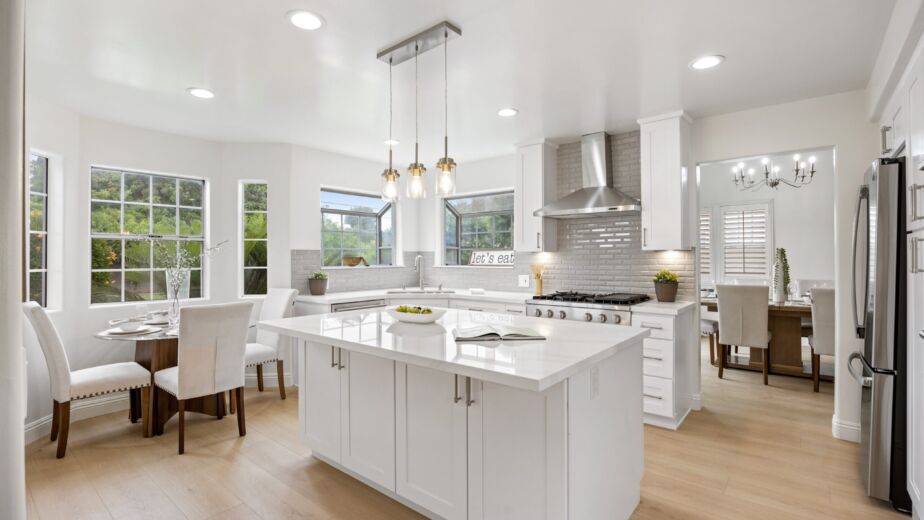
The most common explanation for a large price gap is not cheaper labor. It is a different scope. One kitchen-remodel quote may include demolition, disposal, electrical upgrades, plumbing modifications, drywall repair, cabinets, countertops, backsplash installation, painting, permit coordination, and final cleanup. Another may show a lower total because several of those items are excluded or described vaguely.
When homeowners compare only totals, the incomplete estimate looks like the bargain — the essence of the cheapest contractor bid mistake. Once construction starts, the missing work returns as change orders.
Before choosing a proposal, compare it with a checklist such as WM Construction’s guide to what should be included in a home remodeling contract. The contract and quote should make it clear what the contractor is — and is not — being paid to do.
2. Low Allowances Make a Bid Look Cheaper
An allowance is a placeholder amount for an item that has not been selected yet. Allowances are normal, but unrealistic allowances are one of the easiest ways to make an estimate look artificially low.
For example, a quote may include a very small allowance for tile, plumbing fixtures, countertops, appliances, or cabinet hardware. The total looks attractive until you select products that match the quality level you actually expected.
When comparing contractor quotes, ask for the allowance amount for every undecided selection, then check it against realistic remodeling costs in San Bernardino County. Ask yourself whether that amount is realistic for the style and quality shown during the sales conversation.
3. Permits and Engineering May Sit Outside the Bid
A remodel estimate can appear thousands of dollars cheaper if design, engineering, permit fees, plan preparation, inspections, or city coordination are excluded.
That does not automatically make the bid wrong. Some contractors price those services separately. The problem is when the homeowner believes the quote is an all-in project price but discovers later that essential preconstruction work was never included.
California CSLB guidance says a home-improvement contract should identify who will obtain necessary permits. Checking the current San Bernardino County permit requirements helps you confirm every bidder is pricing the same responsibility before you compare totals.
4. Different Material Specs Explain a Cheaper Quote
Two bids can both say “new cabinets” while describing very different products. The same is true for flooring, windows, waterproofing systems, plumbing fixtures, electrical devices, paint, insulation, countertops, and hardware.
A detailed quote should identify the material, manufacturer, model, grade, allowance, or another specification that lets you understand what is being priced. CSLB’s home-improvement contract guidance recommends specific written descriptions of products, materials, and work.
Without specifications, the lower bidder may be pricing an entry-level product while the other contractor is pricing the material you thought everyone was discussing. The prices are different because the projects are different.
5. Underestimated Labor Hides in a Low Contractor Bid
Labor is one of the largest costs in remodeling. A low estimate may assume fewer labor hours, a shorter schedule, less supervision, or fewer skilled trades than the project actually requires.
This becomes the cheapest contractor bid mistake when the contractor discovers the labor gap after demolition and tries to recover it through change orders, rushed work, skipped details, or schedule pressure.
Ask who will supervise the job, who performs specialty work, how subcontractors are coordinated, and what the estimated project duration is. If one contractor promises a complex remodel in half the time of everyone else, ask what makes that schedule possible.
6. A Low Bid May Rely on Change Orders
Change orders are not automatically a sign of a bad contractor. Hidden damage, homeowner upgrades, and legitimate scope changes happen during remodeling. The problem is a proposal that depends on predictable work being added later.
California requires changes to a home-improvement contract to be documented in writing. CSLB also advises that a change order identify the changed scope, price effect, and impact on progress payments or completion.
Ask each contractor to identify exclusions and likely unknowns before signing. A transparent bidder should be willing to tell you where cost uncertainty exists.
If you are concerned about budgets creeping upward, review WM Construction’s remodeling budget overrun guide before approving a proposal.
7. A Cheap Bid With a Front-Loaded Payment Schedule
A low total price is not reassuring if the contractor wants most of the money before most of the work is complete.
For ordinary California home-improvement contracts, the standard down payment is limited to $1,000 or 10% of the contract price, whichever is less. CSLB also states that additional payments cannot exceed the value of work performed or materials delivered, subject to the applicable legal exceptions.
Review the payment schedule when evaluating a bid — a fixed-price quote with milestone payments keeps a low headline number from hiding front-loaded risk. The safest-looking total can still create exposure if payments run ahead of construction.
8. Cleanup and Restoration Excluded to Cut the Bid
Some of the least glamorous items in a remodel are also real costs: floor protection, dust control, debris hauling, temporary protection, patching disturbed finishes, final cleanup, and restoring areas affected by construction.
If one bidder includes these responsibilities and another does not, the second quote can look cheaper without delivering the same finished project.
CSLB recommends that contracts address cleanup and removal of debris. Ask what happens to demolition waste, who protects existing surfaces, and whether final cleaning or restoration is included.
9. The Lowest Bid Often Gets the Least Verification
Price should never replace due diligence. Check the contractor’s CSLB license status, business identity, classification, references, recent similar work, and contract before paying a deposit.
CSLB recommends checking the license, getting at least three bids and local references, reviewing recent similar projects, confirming permits, and using a detailed written contract.
WM Construction’s guide on how to choose a remodeling contractor in Rancho Cucamonga provides a local checklist for comparing companies beyond price.
10. The Cheapest Contractor Bid Mistake Costs Twice
The most expensive version of a remodel is often not the higher original bid. It is paying once for incomplete or poor work and then paying another contractor to correct it.
That does not mean every low-priced contractor produces bad work. It means quality, scope, supervision, documentation, and accountability have financial value. Waterproofing installed incorrectly, cabinets measured incorrectly, poor tile substrate preparation, inadequate electrical work, or improperly executed structural work can cost much more to fix after finishes are installed.
This is the core of the low-bid trap: saving money only counts if you receive the complete project you intended to buy.
How to Compare Contractor Quotes Line by Line
Before choosing a contractor, create one comparison sheet and force every proposal into the same categories.
| Compare | What to Check |
|---|---|
| Scope | Demolition, construction, installation, finishes, cleanup, exclusions |
| Materials | Brand, model, grade, quantity, allowances, owner-supplied items |
| Design and permits | Plans, engineering, permit responsibility, permit fees |
| Schedule | Approximate start, duration, completion, long-lead items |
| Payments | Legal down payment and progress payments tied to completed value |
| Change orders | Written process, pricing method, schedule effect |
| Closeout | Inspections, punch list, cleanup, warranties, final documents |
Then circle every item that appears in one bid but not another. Those differences often explain why the lowest contractor bid pricing looked so attractive. Normalizing each quote against typical home renovation costs in San Bernardino makes an unrealistic total easier to spot.
If the bids are still far apart after the scopes are normalized, ask each contractor to explain the difference in writing. The answer may reveal an efficiency advantage — or a missing cost.
What Makes WM Construction’s Written Quote Different
With over 10 years of experience, we’ve been remodeling homes in Rancho Cucamonga and Ontario since 2014 — more than a decade of real work, one home at a time.
Customer satisfaction is our #1 priority. Every project we finish comes with a signed client form, and we’ve completed 127+ home remodels since 2014. We get the job done right.
WM Construction is licensed by the California State License Board — License 1104199. You can check it online.
WM Construction’s current site states that it is the only company in Rancho Cucamonga and Ontario that offers:
- A free 3D Design before you pay a dime
- Weekly photo and video updates — so you always know what’s happening
- A written contract — no hidden changes, no surprises
- A guarantee: we won’t finish until you say you’re happy
You can review completed work in the WM Construction project gallery, learn more about WM Construction, or review the company’s home remodeling services.
Frequently Asked Questions About Comparing Contractor Quotes
Should I automatically reject the lowest contractor bid?
No. A lower bid can be legitimate. The better approach is to compare identical scope, materials, plans, permit responsibilities, allowances, schedule, and payment terms. CSLB specifically warns homeowners not to automatically accept a substantially lower bid without understanding why it is lower.
How many contractor bids should I get in California?
CSLB recommends getting at least three written bids and comparing them using identical plans, specifications, and scope of work. It also recommends checking local references and recent similar projects.
I want to remodel my kitchen — what’s the first step?
We come to your home for a free meeting. We review your goals, measurements, layout, and budget, show you the 3D Design, and build it exactly how you want it according to the approved scope.
Can you help me build an ADU on my property?
Yes. We specialize in ADUs in Rancho Cucamonga and Ontario — from the first sketch to the final inspection. We help plan the guest house, understand the property, coordinate the approved plan, and build the project.
How long does a full home remodel take?
Most projects take 8 to 12 weeks, depending on scope, permits, inspections, materials, and site conditions. You won’t be left wondering what’s happening because the project process includes regular updates.
What makes you different from other contractors?
We don’t disappear after you pay. WM Construction uses a written contract, free 3D Design, and weekly photo and video updates. We don’t say “it’s done” until you say it’s right.
I’m scared to pay upfront — what if you disappear?
We start with a written contract — every detail is there. WM Construction’s website lists California State License Board License 1104199, and the project process includes documented updates. We won’t finish the job until you’re happy with the agreed work.
A Cheap Bid Is Only Cheap With Full Scope
A low estimate should start a conversation, not end the decision. The best bid is not necessarily the highest or lowest. It is the proposal that clearly explains the scope, materials, allowances, permits, schedule, payment milestones, exclusions, and change-order process so you understand what you are buying.
When comparing contractor quotes, normalize the scope first, then compare price. That one step can prevent many cheap contractor problems and help you avoid the cheapest contractor bid mistake of choosing an incomplete number instead of a complete project.
Get a transparent written quote. Call +1 951-310-3458 or schedule a free consultation with WM Construction for a kitchen, bathroom, ADU, home addition, or home renovation in Rancho Cucamonga, Ontario, or the Inland Empire.