
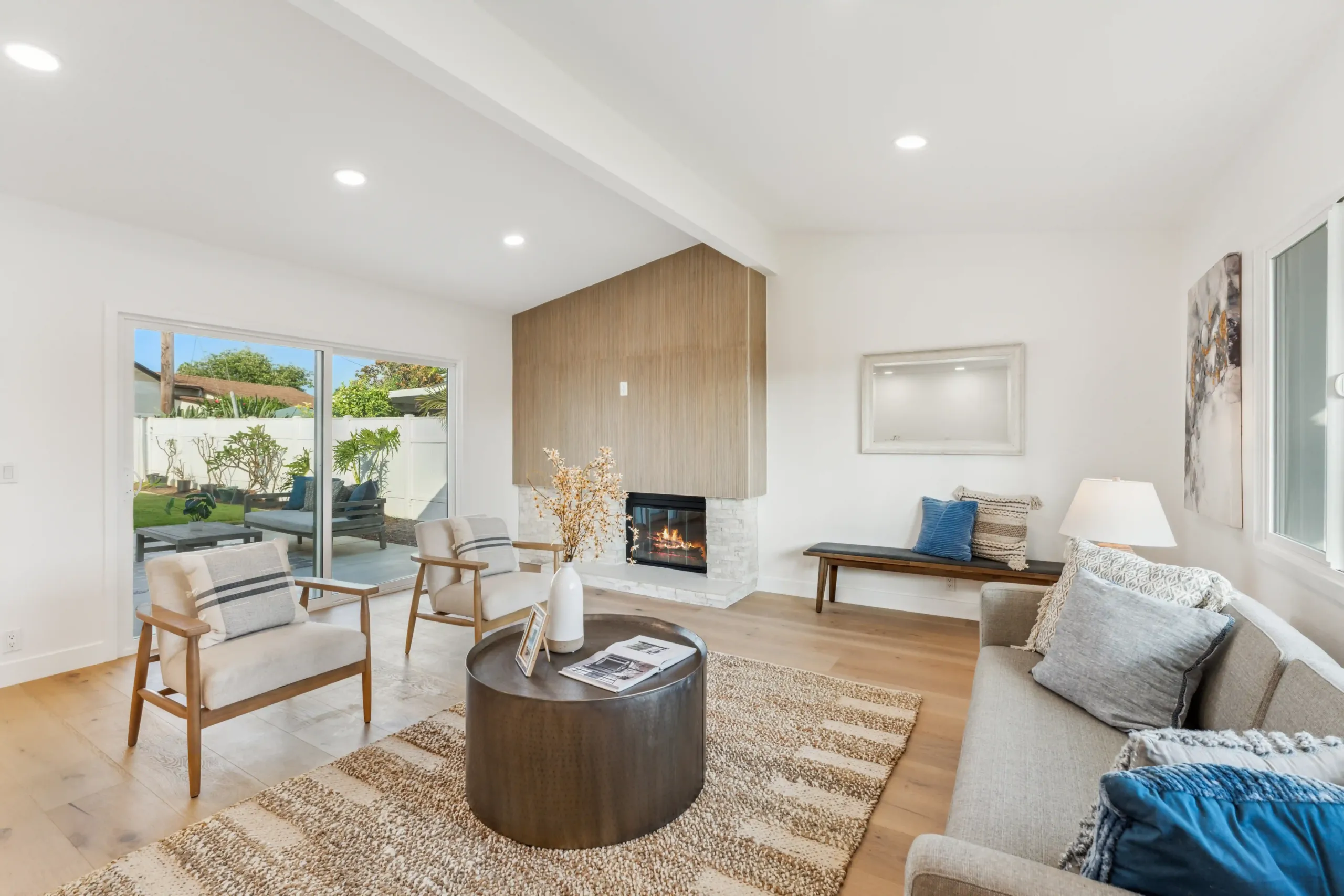
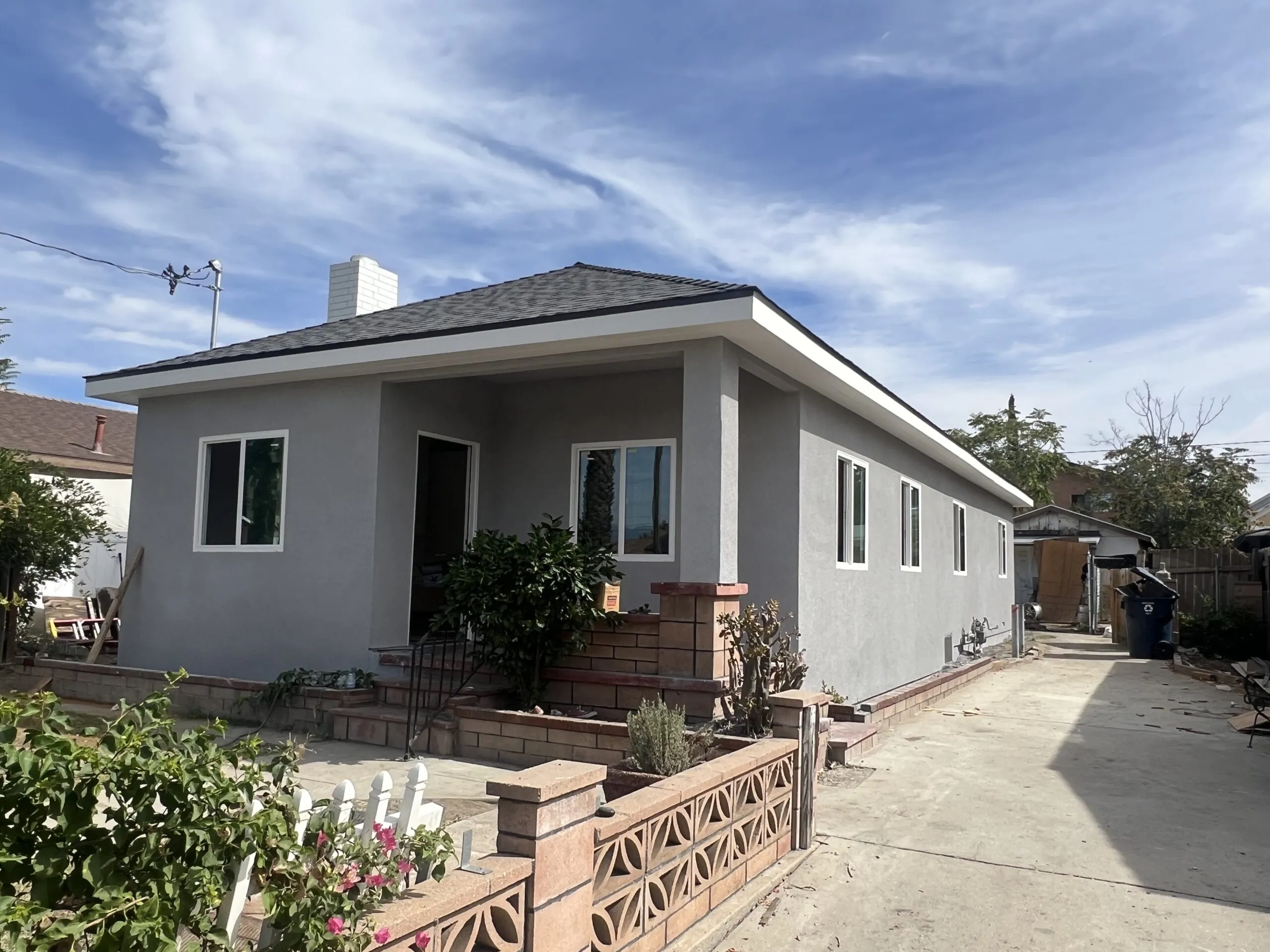

The words general contractor and remodeling contractor are often used as if they mean the same thing. In California they can describe two different license classifications, and the difference decides who is allowed to take on your project.
Before you compare prices in Ontario, find out which kind of contractor your scope actually needs. That one answer shapes permits, structural work, and who is responsible when several trades share the same room.
Start with the license class, not the job title
Anyone can put the word contractor on a truck. What matters is the classification printed on the license issued by the Contractors State License Board, known as CSLB. California requires a license for any job worth 1,000 dollars or more in combined labor and materials.
Two classifications show up most often in home remodeling. Class B is the General Building Contractor license. Class B-2 is the Residential Remodeling Contractor license, which CSLB added in 2021. Ask each company which one it holds, then confirm it yourself. Our guide on how to verify a California contractor license walks through the lookup.
Understand what a general building contractor can take on
A Class B general building contractor works on projects that involve at least two unrelated building trades. That contractor can build new structures or improve existing ones, and can bring in licensed specialty subcontractors for trades such as plumbing, electrical, and HVAC.
This is the classification behind work that changes the structure of a house. Room additions, second stories, new ADUs, and removing a load-bearing wall all sit here. If your plans include new square footage, start with our home additions service and read the room addition cost guide for Ontario.
Know where a remodeling contractor license stops
A Class B-2 residential remodeling contractor improves existing wood frame homes on projects that involve three or more unrelated trades. Think of a kitchen or bathroom that needs cabinets, tile, drywall, paint, and fixture replacement inside the walls that are already there.
The B-2 license carries limits. It does not cover new construction, and it does not allow the contractor to contract for structural changes to load-bearing parts of the home. Do not assume a company that calls itself a remodeler can open the wall between your kitchen and living room. Ask whether the wall is load-bearing and which license covers the work.
Match the contractor to the scope you are planning
Write your scope down before you call anyone. A hall bathroom that keeps its layout is a different job from a primary suite that moves the shower drain and widens a doorway in a bearing wall.
If the project stays inside existing rooms and leaves the structure alone, either classification may fit. If it adds a room, changes the roofline, moves bearing walls, or builds a detached unit, look for a general building contractor. For a full interior project, the whole house remodel cost guide shows how scope drives the budget.
Ask who manages permits, trades, and inspections
The license tells you what a company may do. It does not tell you how the job will be run. Ask who pulls the permits with the City of Ontario, who schedules inspections, and who is on site when the plumber and electrician overlap.
Ask the same questions of every bidder so the answers can be compared. Our list of questions to ask a contractor before hiring is a useful script. If one company will handle both design and construction, read how design-build compares with the traditional approach before you decide.
Check the contract and payment terms the same way for both
The same consumer rules apply whichever license the contractor holds. A home improvement contract in California must be in writing, and the down payment may not exceed 1,000 dollars or 10 percent of the contract price, whichever is less. Later payments should follow completed work or delivered materials.
Do not treat a large deposit request as routine. Compare the payment schedule in each bid with our explanation of how contractor payment schedules should work in California.
Questions about general contractors and remodelers
What is the difference between a general contractor and a remodeler
A general building contractor can build new structures and make structural changes, and usually manages several trades. A residential remodeling contractor improves existing homes without altering the load-bearing structure. In California the difference is set by the license classification, not by the company name.
Do I need a general contractor for a kitchen or bathroom remodel
Not always. A remodel that keeps the walls and structure in place can fall within a residential remodeling license. Once the plan removes a bearing wall or adds floor area, a general building contractor is the safer match.
What does a Class B license allow in California
Class B covers projects that use at least two unrelated building trades, including new buildings and improvements to existing ones. The contractor can subcontract specialty trades to properly licensed companies.
What is a B-2 residential remodeling license
B-2 is a CSLB classification introduced in 2021 for improvements to existing residential wood frame structures. The project must involve three or more unrelated trades, and structural changes to load-bearing portions are outside its scope.
Can a remodeling contractor remove a load-bearing wall
A contractor working only under a B-2 license cannot contract for that structural change. The work needs an appropriately licensed contractor, engineering where required, and a permit. Our load-bearing wall removal guide explains the process.
Who pulls the permits on a remodel
The contractor usually obtains the permits as part of the job. Confirm it in writing, because the party named on the permit is responsible for the work passing inspection.
How do I check a contractor license in California
Use the license lookup on the CSLB website and search by license number or business name. Check that the license is active, note the classification, and review the bond and workers compensation information.
How much can a contractor ask for as a down payment in California
For home improvement work the down payment is capped at 1,000 dollars or 10 percent of the contract price, whichever is less. A request above that limit is a reason to pause.
Can a handyman remodel a bathroom without a license
An unlicensed person may only take jobs under 1,000 dollars in total labor and materials. A bathroom remodel will normally exceed that amount, so it calls for a licensed contractor.
Is a general contractor more expensive than a remodeler
Price follows scope, not the title. Ask each bidder to show how supervision, overhead, and profit appear in the estimate, then compare the included work line by line.
Does one contractor handle design and construction together
Some do. A design-build company prepares the plans and builds from them under one contract. Ask whether design is included or billed separately before you sign.
Choose the license that fits the work
Decide what the project will change, then choose the contractor whose license covers it. WM Construction is an Ontario based contractor with a California Class B General Building license, #1104199, handling kitchens, bathrooms, flooring, home additions, and ADUs across Ontario and Rancho Cucamonga. Review our remodeling services, then contact the team to talk through your scope.