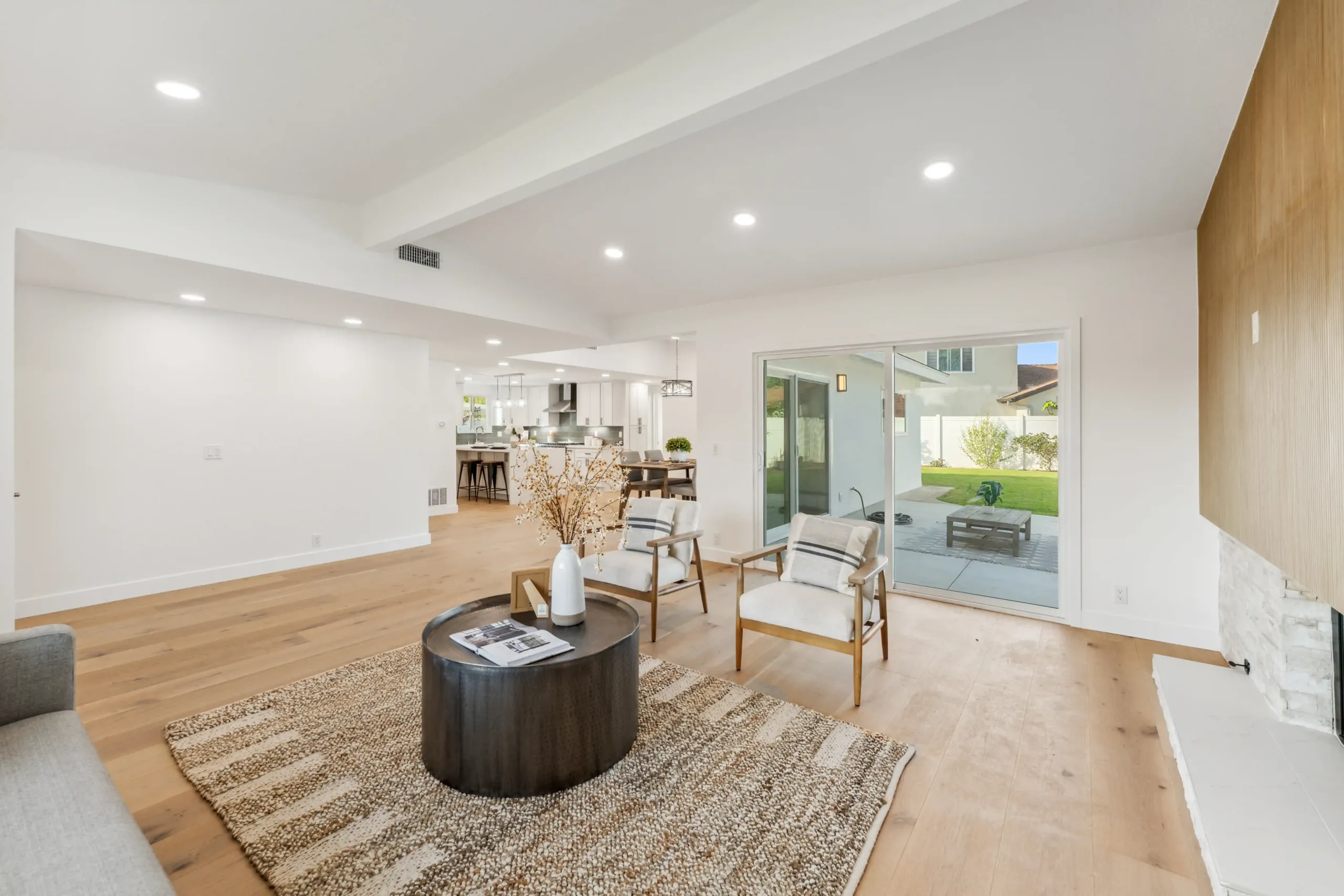
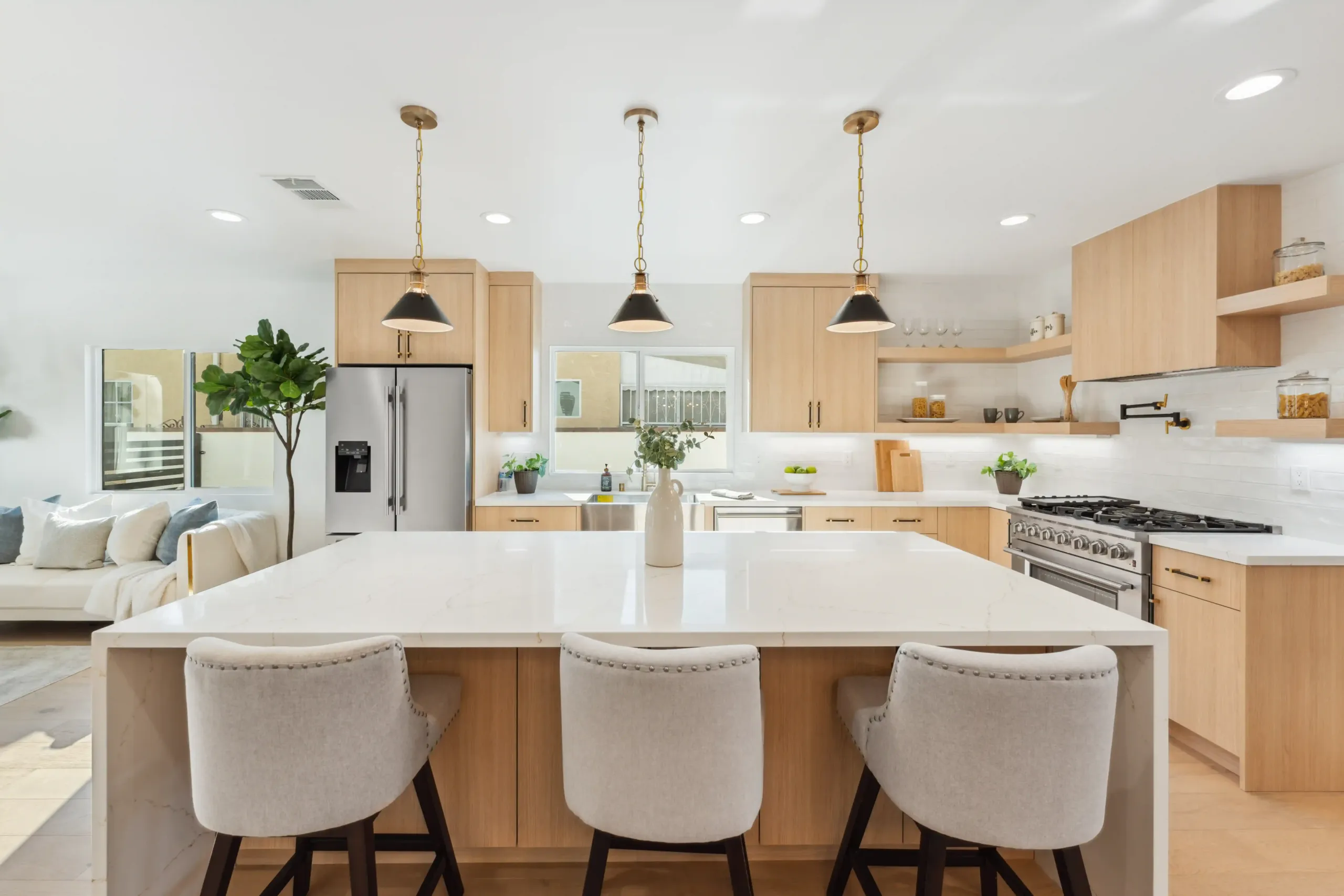
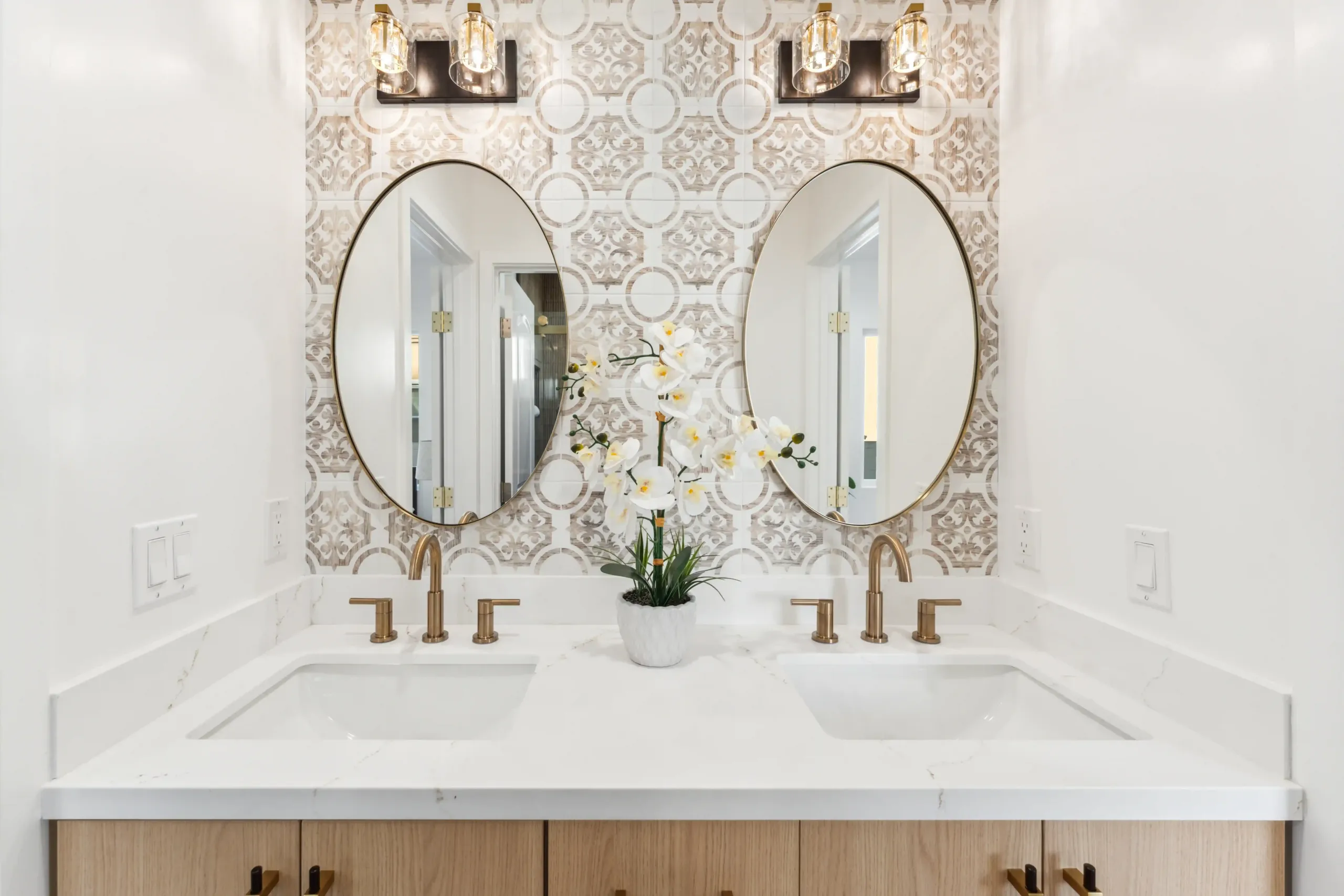
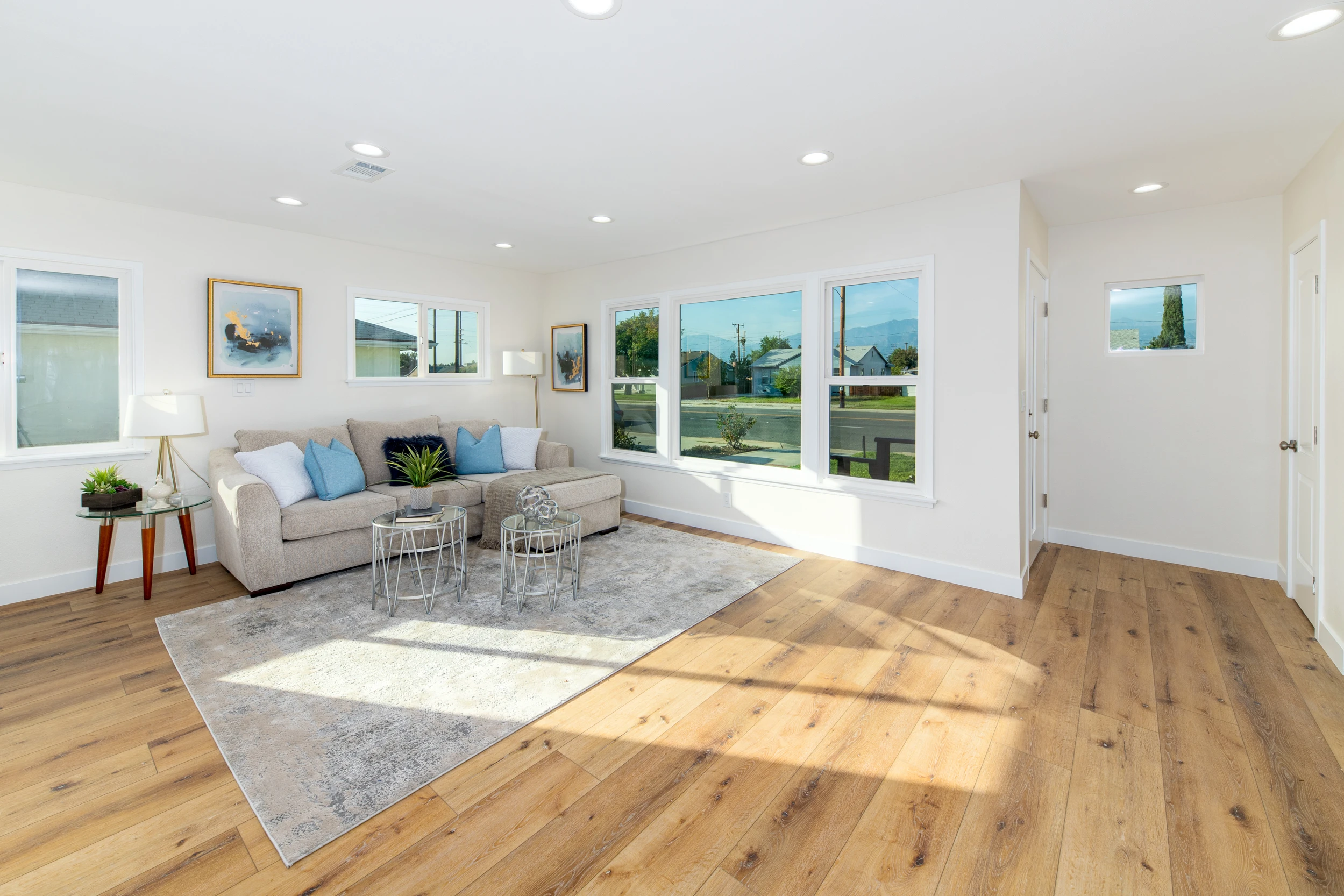
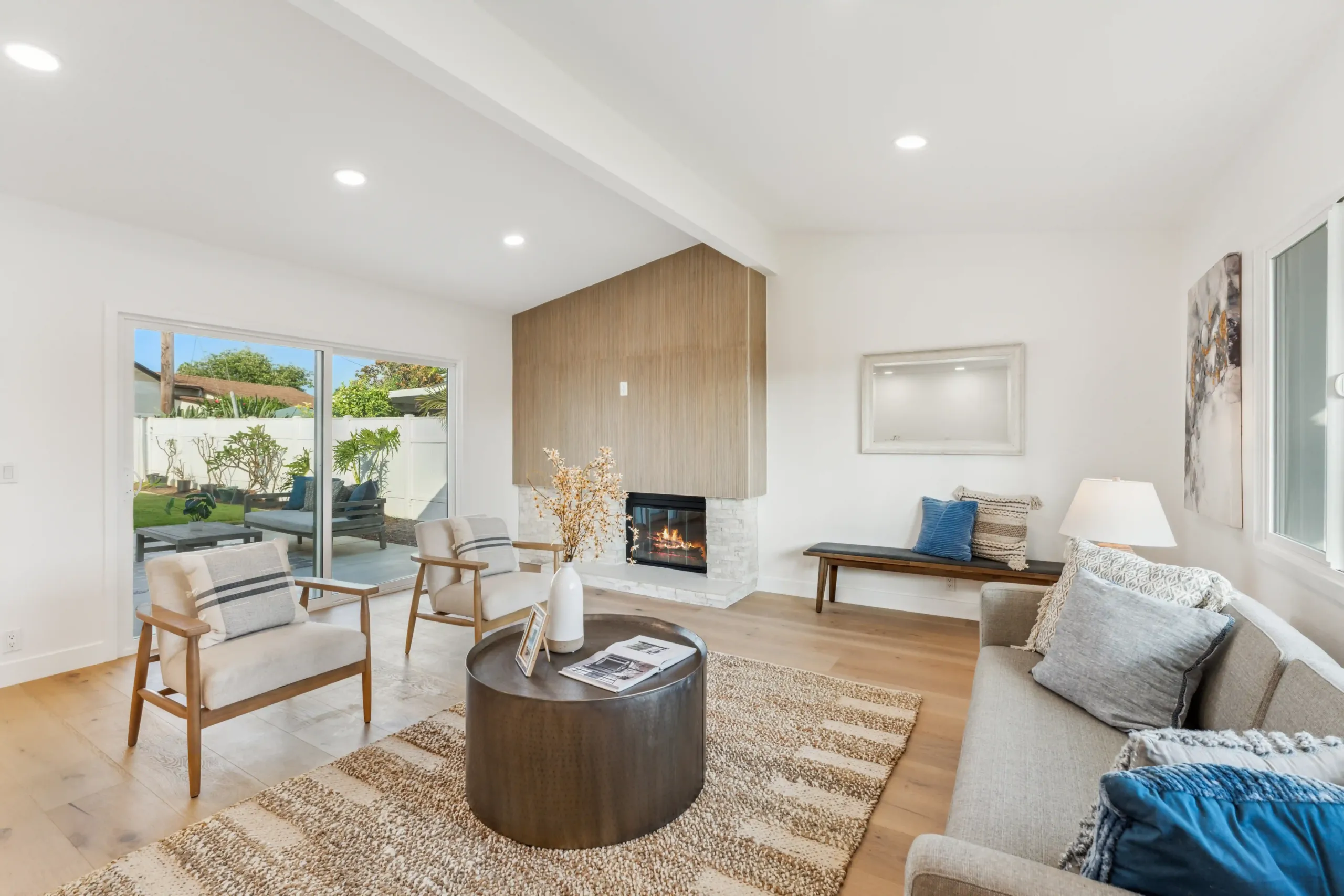
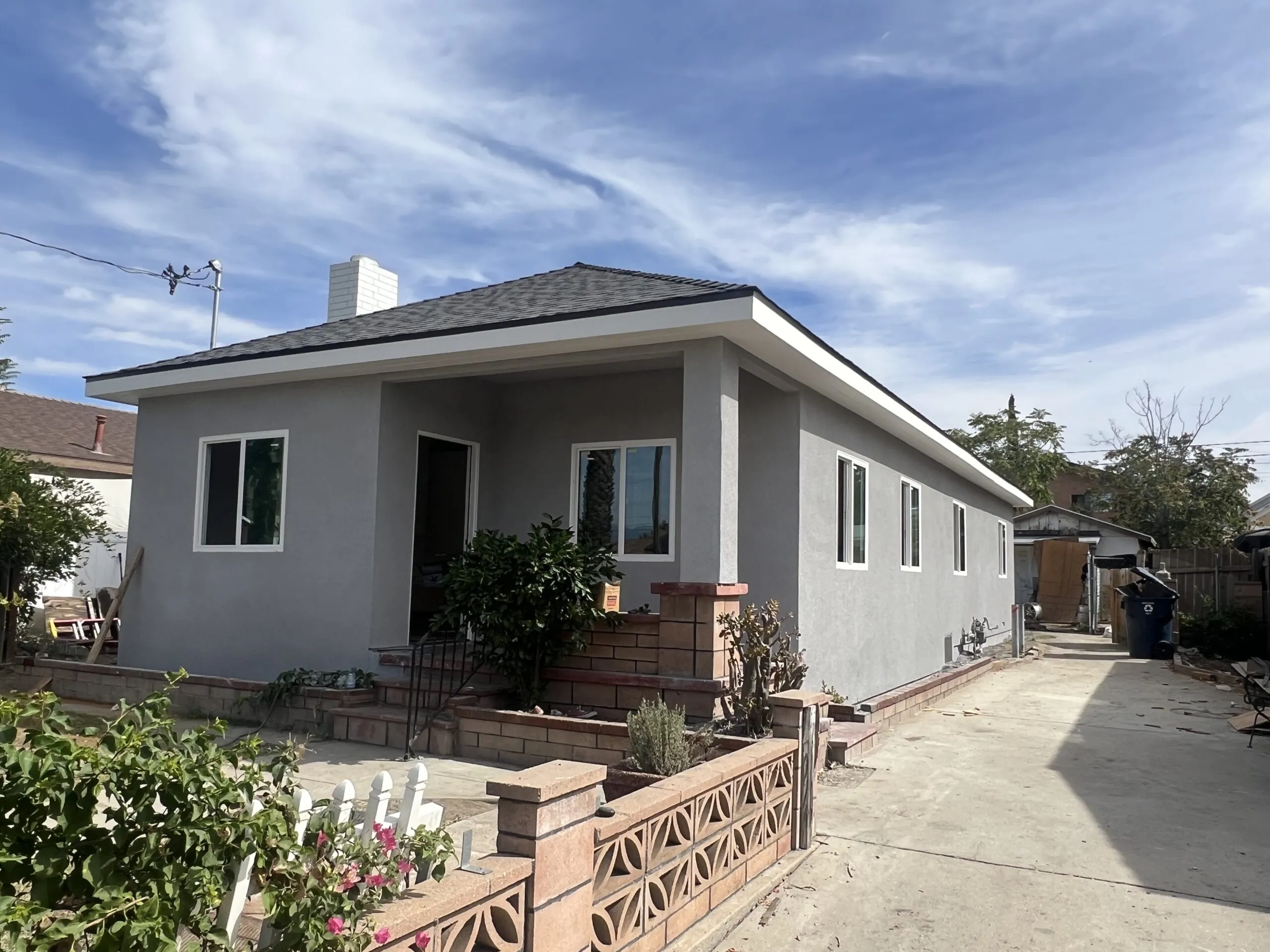
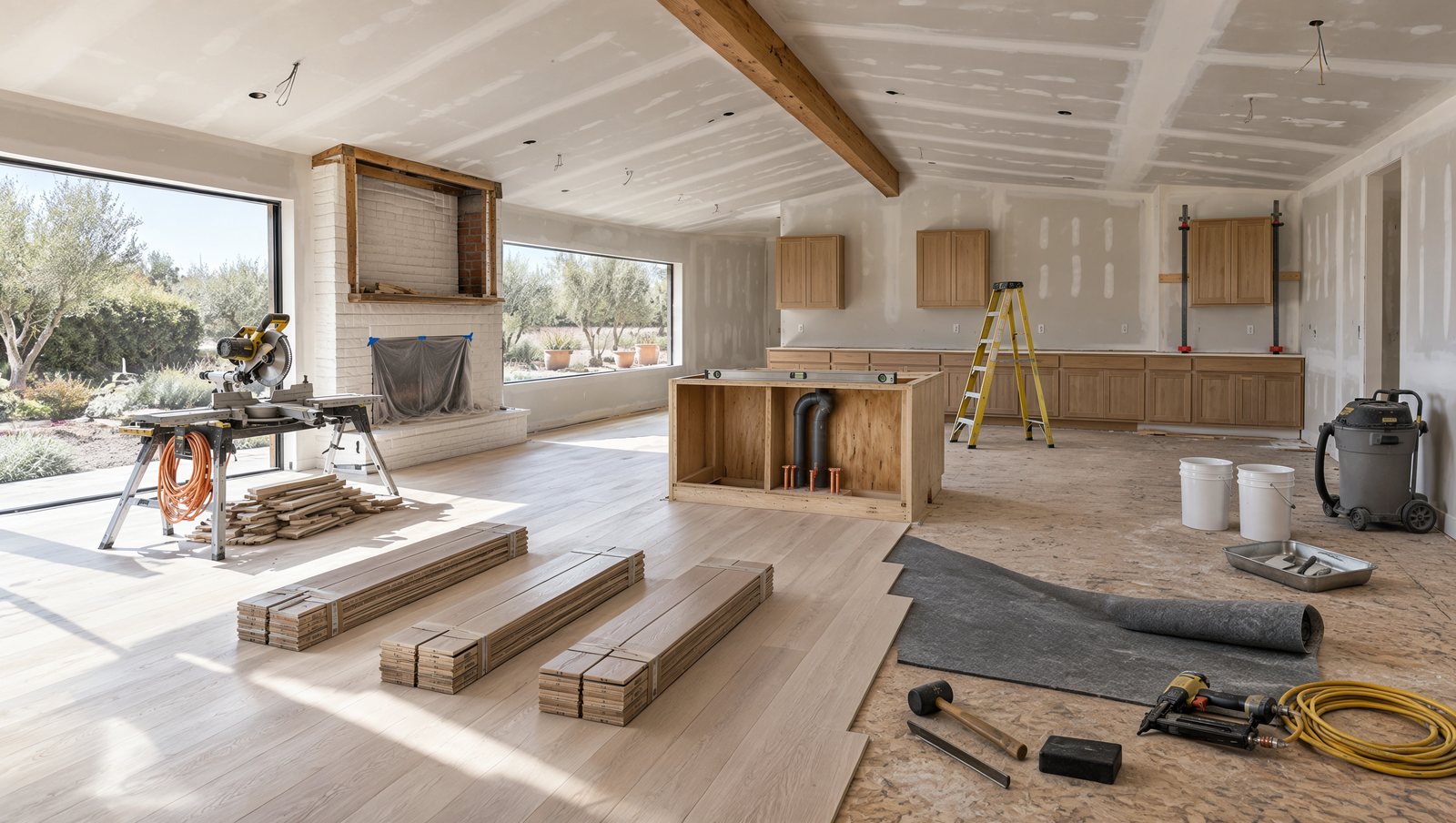
A single price per square foot is the answer most people want for a whole house remodel. It is also the least reliable one. Two 2,000 square foot homes on the same Ontario street can need very different work behind the walls.
A better budget starts with the rooms and systems you plan to change. Build the number from those parts, then test it against what the house is worth.
Define the scope before you look for a number
Whole house remodel can mean new floors and paint in every room. It can also mean a new kitchen, rebuilt bathrooms, updated wiring, and moved walls. Those are different projects with different budgets.
List each room and write what changes in it. Mark which items are surface updates and which ones open walls, move plumbing, or touch the structure. Our home renovation checklist helps you capture the full list before you ask for estimates.
Build the budget room by room
Kitchens and bathrooms carry most of the cost in a typical house. Our published planning ranges for Ontario put a mid-range kitchen remodel at $30,000 to $55,000 and a full remodel of a standard bathroom at $20,000 to $45,000. A cosmetic bathroom update is lower, at $12,000 to $20,000.
Use those ranges as building blocks. A 2,000 square foot home with one mid-range kitchen and two fully remodeled bathrooms would start at roughly $70,000 to $145,000 for those three rooms alone. Flooring, paint, doors, lighting, and any system upgrades are added on top. These are planning ranges, not quotes. See the kitchen remodel cost guide and the bathroom remodel cost guide for what each range includes.
Account for what the age of the house can add
Many Ontario homes were built before 1980. Older houses can hide galvanized supply pipes, undersized electrical panels, or moisture damage that only shows once a wall is open. None of that appears in a price per square foot.
Ask how each estimate handles concealed conditions and what happens if they are found. Read our guides on galvanized pipe replacement and whole home rewiring so the possibility is in your plan from the start.
Separate surface updates from layout changes
Replacing finishes in place costs less than moving things. Relocating a sink, shifting a refrigerator wall, or opening a kitchen to the living room adds plumbing, electrical, and sometimes structural work. Each of those can also add a permit and an inspection.
Decide which layout changes matter most and price them as separate line items. If a wall is coming out, confirm whether it is load-bearing and who is licensed to do that work. Our article on general contractors and remodeling contractors explains why the license matters.
Test the total against the 30 percent rule
The 30 percent rule is a common guideline, not a law. It suggests keeping total renovation spending at or below about 30 percent of the home’s current market value. On a house valued at $700,000, that points to a ceiling near $210,000 across all projects combined.
Use it as a check, not a target. If you plan to stay for many years, comfort and function may justify more. If you expect to sell soon, a lower figure protects you from improving past what the neighborhood supports. Our article on which remodeling projects add the most value can help you rank the list.
Plan for contingency, permits, and where you will live
Set aside 10 to 15 percent of the construction budget for surprises. Add permit fees for any structural, plumbing, or electrical changes. If the kitchen and every bathroom are out of service at once, add the cost of living somewhere else for part of the job.
These items are easy to leave out and hard to absorb later. See where to live during a full home remodel and compare the options in our home remodel financing guide.
Questions about whole house remodel costs
How much would it cost to renovate a 2,000 sq ft house
It depends on scope and finish level more than on size. Start with the kitchen and bathroom ranges, then add flooring, paint, and system upgrades for the remaining rooms. A written estimate based on a site visit is the only dependable figure.
What is the 30 percent rule for renovations
It is a budgeting guideline that suggests spending no more than about 30 percent of your home’s current value on renovations. It helps you avoid investing more than the property can return, but it is not a fixed limit.
Is it cheaper to remodel the whole house at once or in phases
Doing the work together usually reduces repeated setup, permit, and mobilization costs. Phasing spreads the spending and lets you stay in the home more easily. Our guide on combining a kitchen and bathroom remodel shows where bundling saves.
How long does a whole house remodel take
A single kitchen typically takes 8 to 12 weeks and a standard bathroom about 3 to 6 weeks. A whole house project runs longer and depends on design, permits, material lead times, and how many rooms are open at once.
Do I need a permit for a whole house remodel in Ontario CA
Permits are required for structural, plumbing, and electrical changes. Paint and flooring alone generally do not need one. Confirm the requirements for your scope with the City of Ontario or your contractor before work starts.
Can I live in the house during a whole house remodel
Often yes, if the work is sequenced so one bathroom and a temporary kitchen stay usable. When every wet room is under construction at the same time, moving out for that stretch is usually easier.
What is the most expensive part of a house renovation
The kitchen is usually the largest single cost, followed by bathrooms. Within a kitchen, cabinets and hardware often take 30 to 40 percent of the budget.
How much contingency should I set aside
Plan for 10 to 15 percent of the construction cost. Older homes and projects that open many walls belong at the higher end of that range.
What should be remodeled first in a house
Start with anything behind the walls or under the floor, such as plumbing, wiring, and structural repairs. Finishes like flooring and paint come last so they are not damaged by other trades.
Does a whole house remodel increase home value
It can, but not every dollar comes back at resale. Kitchens, bathrooms, and repairs to major systems tend to matter most to buyers. Compare your plan with recent sales nearby before you set the budget.
How do I finance a whole house remodel
Common routes include a home equity loan or line of credit, a cash-out refinance, and renovation loans. Compare the total cost of each option, not only the monthly payment.
Price the house you actually have
A dependable number comes from your rooms, your walls, and your goals. WM Construction provides written estimates for kitchens, bathrooms, flooring, and full interior remodels in Ontario and Rancho Cucamonga. Review our kitchen remodeling, bathroom remodeling, and flooring services, then schedule a free consultation.