
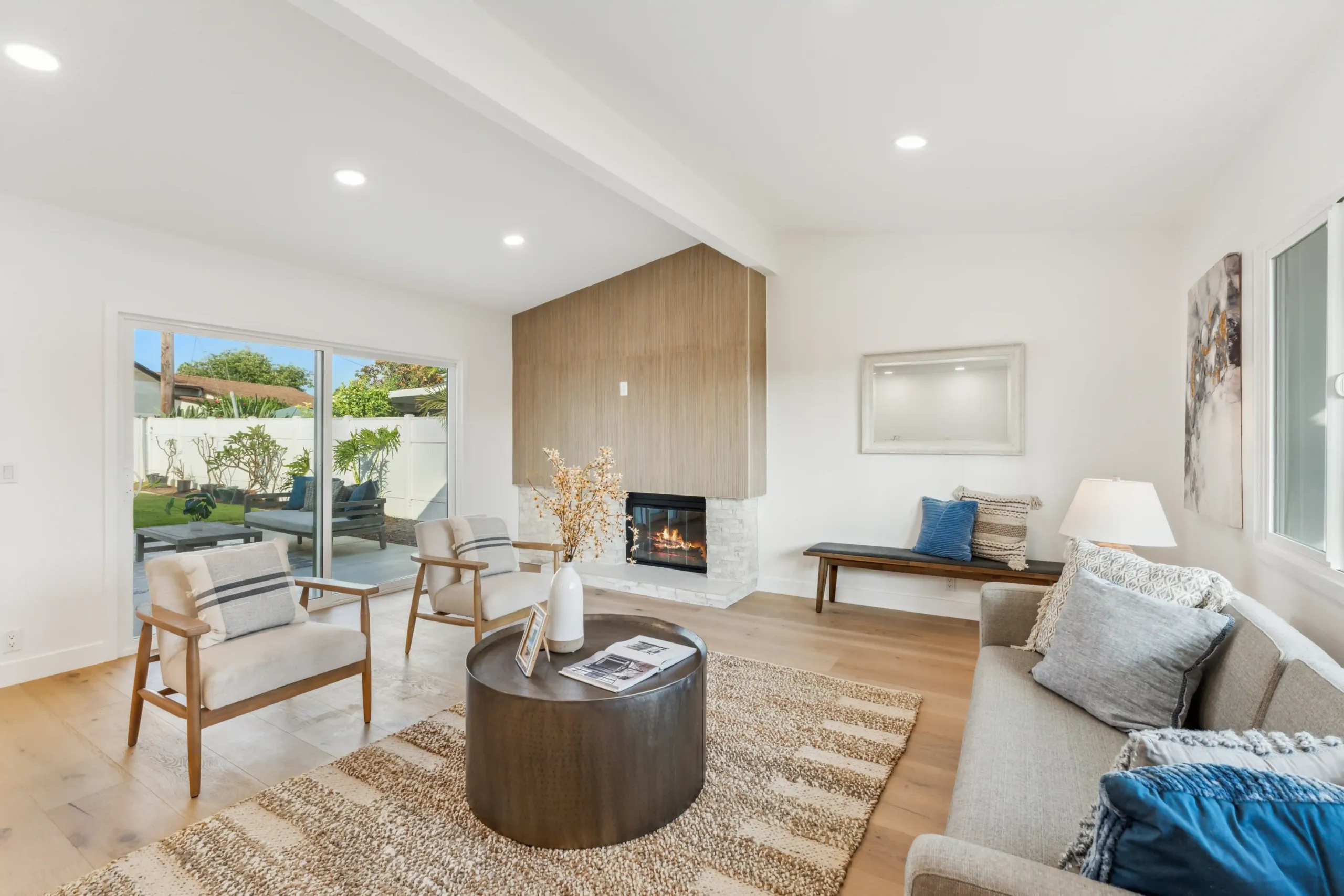
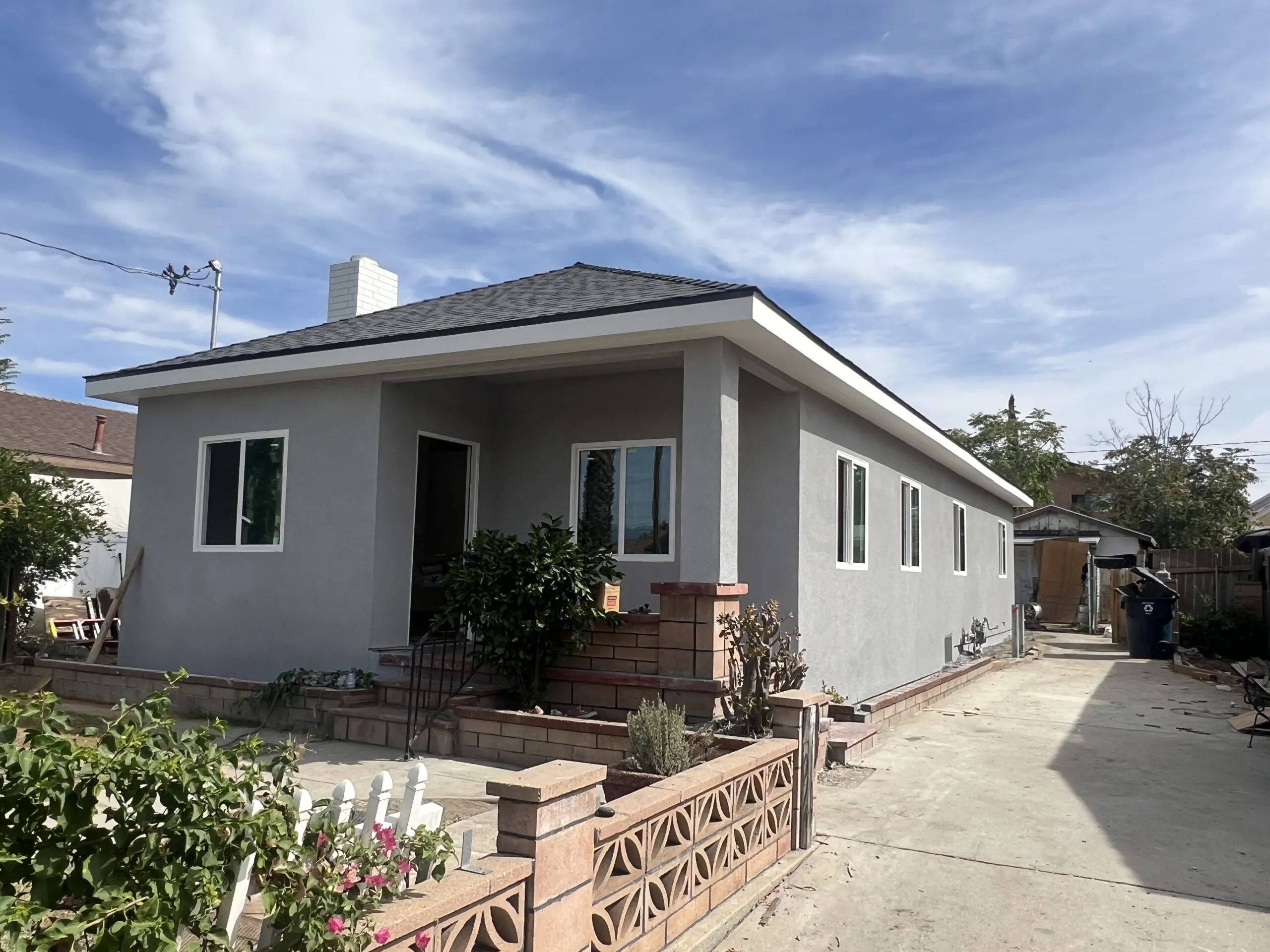

A post-remodel appraisal low result can feel like a direct judgment against the money and effort you invested in your home. However, a low appraisal does not automatically mean the renovation failed. It usually means the appraiser could not support the requested value with nearby, recent, and comparable market evidence.
If your post-remodel appraisal came in low in California, you still have practical options. You can check the report for factual errors, provide missing permits and documentation, request a reconsideration through the lender, review stronger comparable sales, or change the financing or selling strategy.
The most important lesson for future projects is simple. Design for your household first, but understand the neighborhood’s value ceiling before spending heavily on finishes that nearby buyers may not fully pay for. For a broader renovation review, start with Rancho Cucamonga home remodeling.
Why a Post-Remodel Appraisal Low Result Happens
A home appraisal is an independent opinion of market value. The Consumer Financial Protection Bureau explains that an appraisal describes what makes a property valuable and compares it with other properties in the area.
The appraiser does not simply add your construction invoices to the previous value. Instead, the report considers:
- Location and neighborhood appeal
- Living area and bedroom count
- Lot size and functional layout
- Overall condition and quality
- Recent comparable sales
- Market conditions at the appraisal date
- Permits and legality of improvements
- Buyer demand for the specific features
The Fannie Mae homebuyer guidance also describes an appraisal as an independent assessment based on the property’s characteristics, location, and market trends.
That explains why a $150,000 renovation may not create $150,000 of appraised value. The renovation can improve comfort and marketability while still producing a smaller value adjustment.
Common Reasons an Appraisal Comes in Below the Remodel Cost
The project exceeds the neighborhood standard
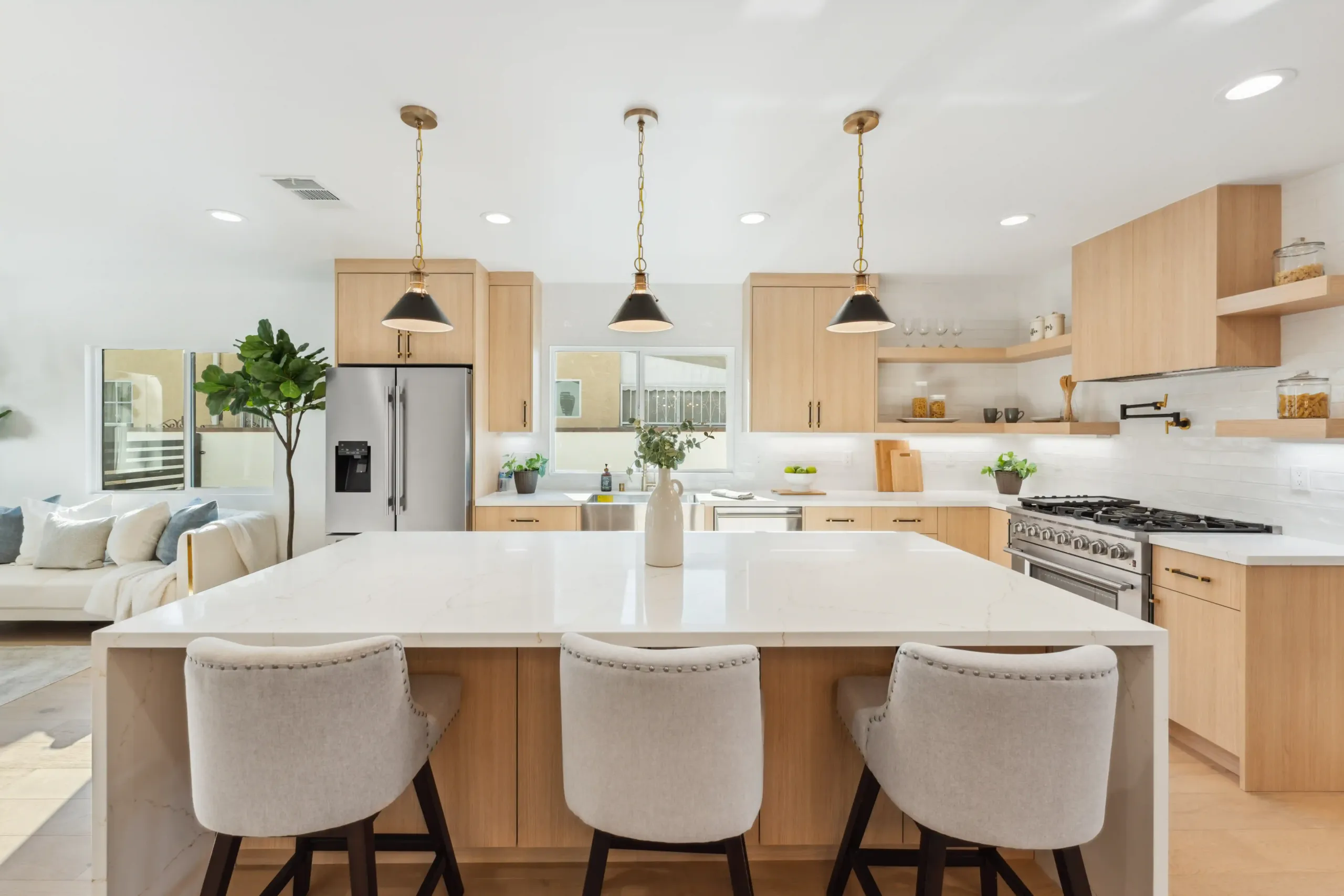
A high-end kitchen may look impressive, but the appraiser still needs comparable sales that show buyers in that neighborhood pay more for similar homes.
If nearby homes sell within a narrow price range, a luxury renovation may reach a ceiling. The home can become the best-finished property in the area without becoming the highest-value property.
The appraiser lacks comparable renovated sales
A remodeled home may have no recent comparable sale nearby. The appraiser then has to make adjustments using less similar properties, which can limit the supported value.
This situation often occurs after:
- A major whole-home renovation
- A large addition
- A new ADU
- A unique floor plan change
- A luxury finish package
- A specialized accessibility conversion
Permits and final inspections are missing
Unpermitted work creates uncertainty. A buyer, lender, or appraiser may not give full credit to an addition, converted garage, structural change, or major system upgrade without evidence that the work meets local requirements.
Keep permit numbers, final inspection records, approved plans, contractor invoices, and warranties together.
The report contains factual errors
An appraisal can include incorrect square footage, room count, lot size, condition, renovation date, or property description. A simple factual error can affect the comparable selection and final value.
Read the report line by line before assuming the value conclusion reflects the completed home.
The market changed during the project
Construction can take months. If the market weakens between the initial design and the appraisal date, the completed property may receive a lower value than the homeowner expected when work began.
The lower value may reflect market timing rather than poor workmanship.
The renovation has functional disadvantages
A remodel can reduce value when it removes a bedroom, creates awkward circulation, reduces storage, blocks natural light, or produces a layout that appeals to a narrow group of buyers.
Beautiful materials cannot always compensate for poor function.
Ontario Home Appraisal 2026 Data and Neighborhood Price Ceilings
An appraiser looks at closed comparable sales, not only active listings. Still, current listing data can help homeowners understand the broad price differences between nearby ZIP codes.
A current Realtor.com search snapshot showed approximate median listing prices of:
| Area | ZIP code | Approximate median listing price |
|---|---|---|
| Ontario | 91761 | $696,500 |
| Ontario | 91762 | $706,500 |
| Rancho Cucamonga | 91730 | $631,500 |
| Rancho Cucamonga | 91737 | $986,749 |
| Rancho Cucamonga | 91739 | About $1 million |
These figures come from listing activity and can change quickly. They are not closed-sale data, appraisal conclusions, or guaranteed price ceilings. You can review the current 91739 housing market snapshot for context.
The practical lesson is more important than the exact number. A home in Ontario may not receive the same value adjustment as a similar-looking home in a higher-priced Rancho Cucamonga area. Location, school boundaries, lot size, age, community amenities, and buyer demand all influence comparable selection.
Before a major renovation, ask a local real estate professional for a comparative market analysis. The analysis will not guarantee a future appraisal, but it can reveal whether your planned project fits the neighborhood.
Appraisal Under Remodel Cost Does Not Mean No Return
An appraisal under remodel cost can still represent a successful project.
Home improvements create several types of return:
- Daily comfort
- Better function
- Lower maintenance
- Improved energy performance
- More usable living space
- Stronger buyer appeal
- Potential future appreciation
- Reduced repair risk
Only some of those benefits appear directly in an appraisal. A new electrical panel may prevent problems and support insurance requirements without adding its full invoice amount to value. A waterproofed bathroom may protect the home without creating a dramatic comparable adjustment.
Think of the renovation budget in three groups:
Value-protecting work
This includes correcting leaks, unsafe wiring, structural problems, failed plumbing, damaged roofs, and serious deferred maintenance. These projects may not create a large premium, but they protect the home from larger discounts.
Market-aligned improvements
Midrange kitchen updates, functional bathroom improvements, fresh flooring, paint, lighting, storage, and efficient systems often match what buyers expect in the neighborhood.
Personal or luxury improvements
Custom stone, imported fixtures, specialty rooms, elaborate millwork, oversized additions, and highly personal design choices may improve your experience without producing equal market value.
A remodeling plan can include all three categories, but the homeowner should understand which category receives the most budget.
Remodel Not Adding Value Is Often a Documentation Problem
Sometimes the renovation adds value, but the appraiser cannot verify it.
Prepare a professional project file containing:
- Building permits
- Final inspection approvals
- Architectural or engineering plans
- Contractor agreements
- Itemized invoices
- Product specifications
- Appliance information
- Energy equipment records
- Warranties and maintenance documents
- Before-and-after photographs
- Survey or square-footage information
- Receipts for structural and mechanical work
Organize the documents by room and system. A concise summary page can explain the project scope, completion date, permit numbers, added living area, and major upgrades.
Do not pressure the appraiser to reach a desired number. Provide factual information through the lender or approved appraisal process. The appraiser must remain independent.
What to Do After a Low Appraisal
If the appraisal is already complete, follow these steps.
Read the entire report
Check the property facts first. Confirm the square footage, room count, lot size, condition rating, renovation description, and permit status.
Identify specific errors
Create a short list of verifiable corrections. Include supporting documents rather than emotional arguments.
Examples include:
- The report missed a permitted bathroom
- The gross living area is incorrect
- The appraiser described the kitchen as dated
- A recent renovation was omitted
- A comparable has a different property type
- The report used an inferior or distant comparable
- The lot size or bedroom count is wrong
Request a reconsideration through the lender
Ask your loan officer how to submit a reconsideration of value. Provide the factual corrections, relevant comparable sales, permits, invoices, and photographs in an organized package.
The lender may ask the appraiser to review the information. A reconsideration does not guarantee a higher value.
Ask about another appraisal
A second appraisal may involve additional cost and may not be permitted under every loan process. Discuss the option with the lender before ordering one independently.
Review the financing gap
For a cash-out refinance, a lower value can reduce the available loan amount. You may need to postpone the refinance, reduce the cash-out request, pay down debt, or provide additional funds.
For a purchase transaction, the buyer, seller, and lender may need to renegotiate the price or financing structure. Review your contract and speak with the appropriate real estate and legal professionals.
Preparing for a Future Refinance
If you plan to refinance after remodeling, do not wait until the application to gather evidence.
Keep:
- The original remodel scope
- Completion dates
- Permit closeout records
- Before-and-after photos
- Appliance and system warranties
- Contractor license information
- Comparable sales research
- A list of improvements with costs
- Maintenance records
- Utility upgrades and energy documentation
An appraiser may not credit every dollar you spent, but a complete record helps the appraiser understand what changed and whether the work complies with local requirements.
Allow time between construction completion and refinancing when possible. Recent comparable sales of renovated homes may become available later, and the market may provide better evidence than it did immediately after construction.
Which Remodeling Projects Usually Support Resale
No improvement guarantees a specific return. However, projects that improve function, condition, and broad buyer appeal usually create stronger resale support than highly personal upgrades.
| Project type | Potential market benefit | Main risk |
|---|---|---|
| Permitted bedroom or living-area addition | Expands usable space | Cost exceeds neighborhood ceiling |
| Functional kitchen update | Improves buyer appeal | Luxury finishes exceed local standards |
| Bathroom renovation | Addresses condition and usability | Over-customization or poor ventilation |
| Flooring and interior paint | Creates a clean, consistent presentation | Low-quality installation |
| Electrical or plumbing replacement | Reduces maintenance concerns | Buyers cannot see the full value |
| ADU construction | Adds flexible living or rental use | Permit, layout, parking, and financing issues |
| Large specialty room | Serves a specific lifestyle | Narrow buyer demand |
| High-end outdoor improvements | Improves enjoyment and presentation | Limited comparable support |
The best project depends on the property and neighborhood. A permitted addition may help one home, while a smaller kitchen and bathroom update may produce a better risk-adjusted result in another.
Design for ROI Before You Choose Finishes
An ROI-focused design process starts with the property’s position in the local market.
Before finalizing the plans, ask:
- What do nearby homes offer?
- Which deficiencies make this home harder to sell?
- What improvements do buyers expect at this price point?
- Will the project add legal and functional space?
- Does the design reduce bedrooms or parking?
- Can the budget survive an appraisal below cost?
- Which features are personal preferences rather than broad market needs?
- What documentation will prove the quality and legality of the work?
A contractor can help control construction scope and material choices, but a real estate agent or appraiser should address market value. No remodeler can guarantee an appraisal result.
WM Construction serves Ontario, Rancho Cucamonga, and the Inland Empire. The company has operated since 2014 and lists California contractor license number 1104199. WM can help homeowners organize a clear remodeling scope and coordinate permits with qualified trade partners.
For project-specific planning, review kitchen remodeling in Rancho Cucamonga, bathroom remodeling in Rancho Cucamonga, and home additions.
Questions to Ask Before Starting a Remodel
Ask the contractor and your real estate professional:
- What is the likely resale range for comparable homes?
- Does the planned scope exceed nearby property standards?
- Which work requires permits?
- Will the project change bedroom count, parking, or living area?
- Which improvements protect value rather than create a premium?
- What documents should I keep for a future appraisal?
- Could the remodel create a functional disadvantage?
- Which items can be removed if the budget becomes tight?
- Does the design fit the home’s likely buyer?
- Should I obtain a pre-remodel market analysis?
These questions can prevent a common mistake. Homeowners often choose finishes first and ask about market value after the money is committed.
Frequently Asked Questions About Post-Remodel Appraisal Low
Why was my post-remodel appraisal low in California?
The appraiser may have found limited comparable sales, a neighborhood price ceiling, missing permits, factual errors, a market decline, or improvements that do not receive dollar-for-dollar credit.
Can an appraiser include my remodel cost in the value?
The appraiser considers the renovation, but the cost does not automatically equal added market value. Value depends on buyer demand, comparable sales, quality, condition, and location.
What should I provide for a reconsideration of value?
Provide factual corrections, permits, final inspections, plans, invoices, photographs, warranties, and relevant comparable sales through the lender’s approved process.
Does an expensive kitchen increase appraisal value?
It may improve market appeal, but an expensive kitchen does not guarantee an equivalent value increase. The appraiser compares the finished home with nearby homes that buyers actually purchased.
Can an unpermitted addition reduce the appraisal?
Yes. An appraiser may exclude or limit credit for space that lacks documentation or cannot be confirmed as legal living area. Discuss the issue with the lender and local professionals.
Should I renovate for resale or for personal use?
Decide which goal matters most before construction. If resale matters, use local comparable sales and a realistic budget. If personal use matters more, accept that some preferences may not return their full cost.
Book a Consult for ROI Focused Design
A post-remodel appraisal low result becomes less likely when the project matches the neighborhood, protects function, uses permits correctly, and includes documentation from the beginning.
WM Construction can help you review the remodeling scope, prioritize practical improvements, and coordinate construction in Ontario, Rancho Cucamonga, and the Inland Empire. Call 951-310-3458 or visit the WM Construction contact page to book an ROI-focused design consultation.