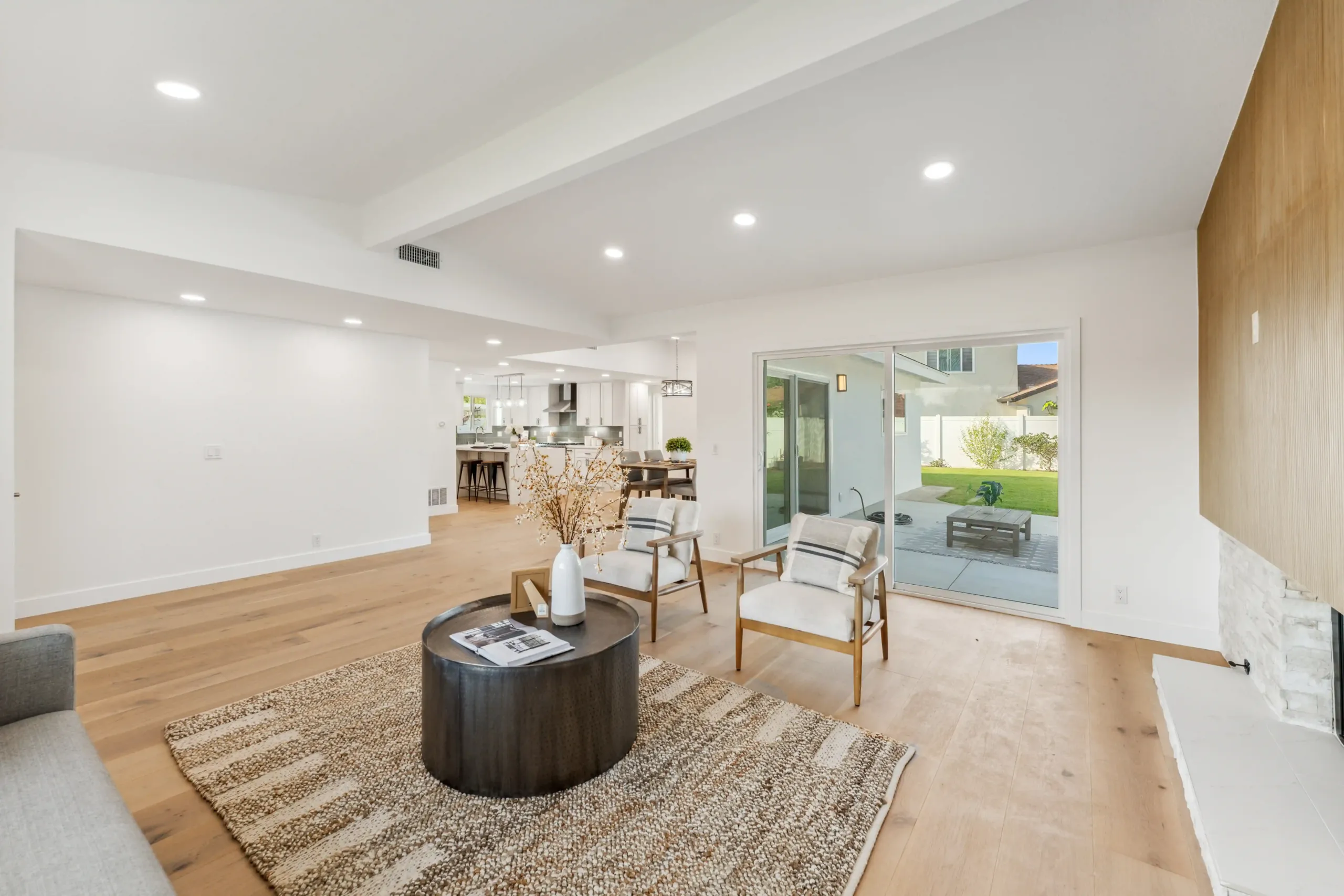
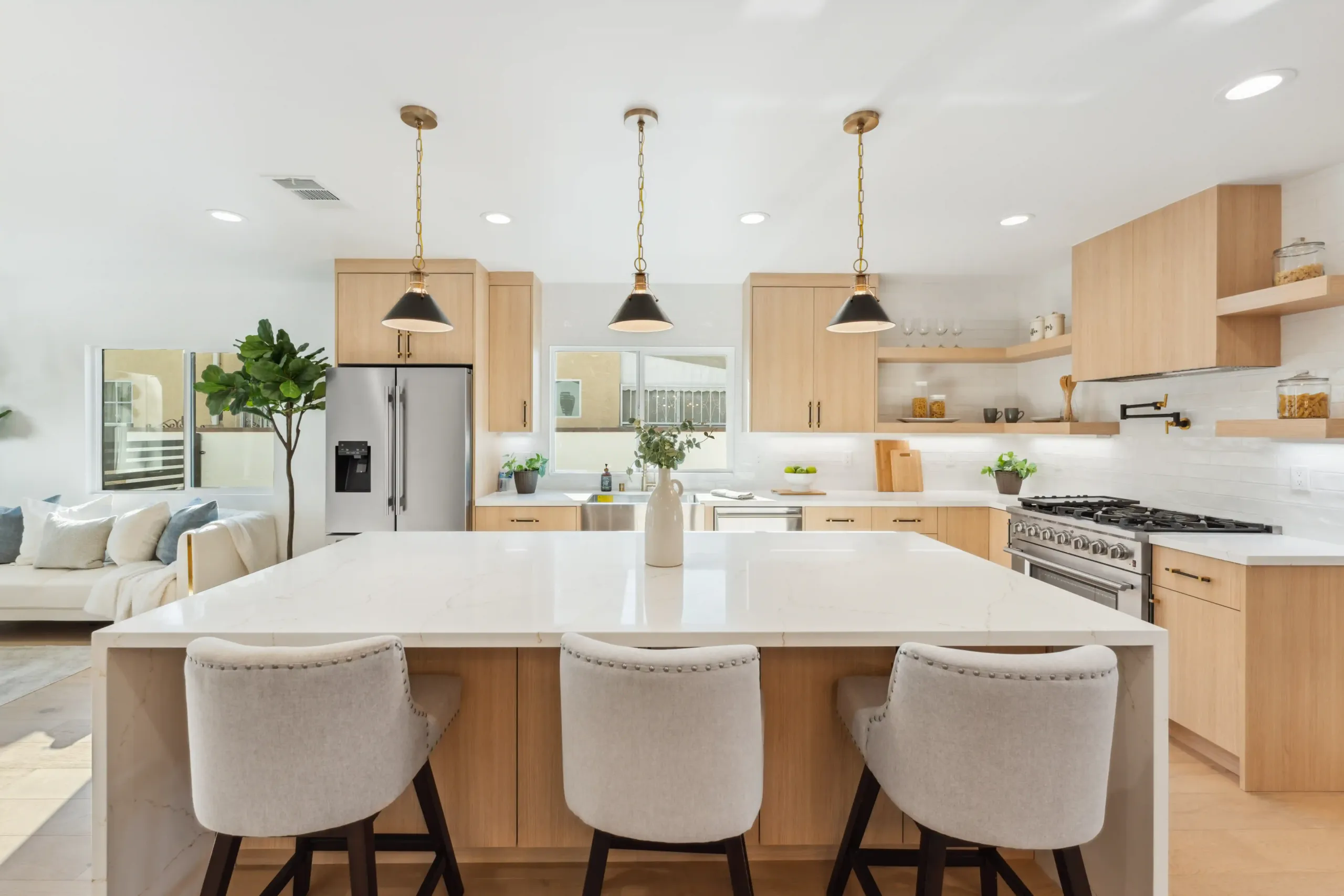

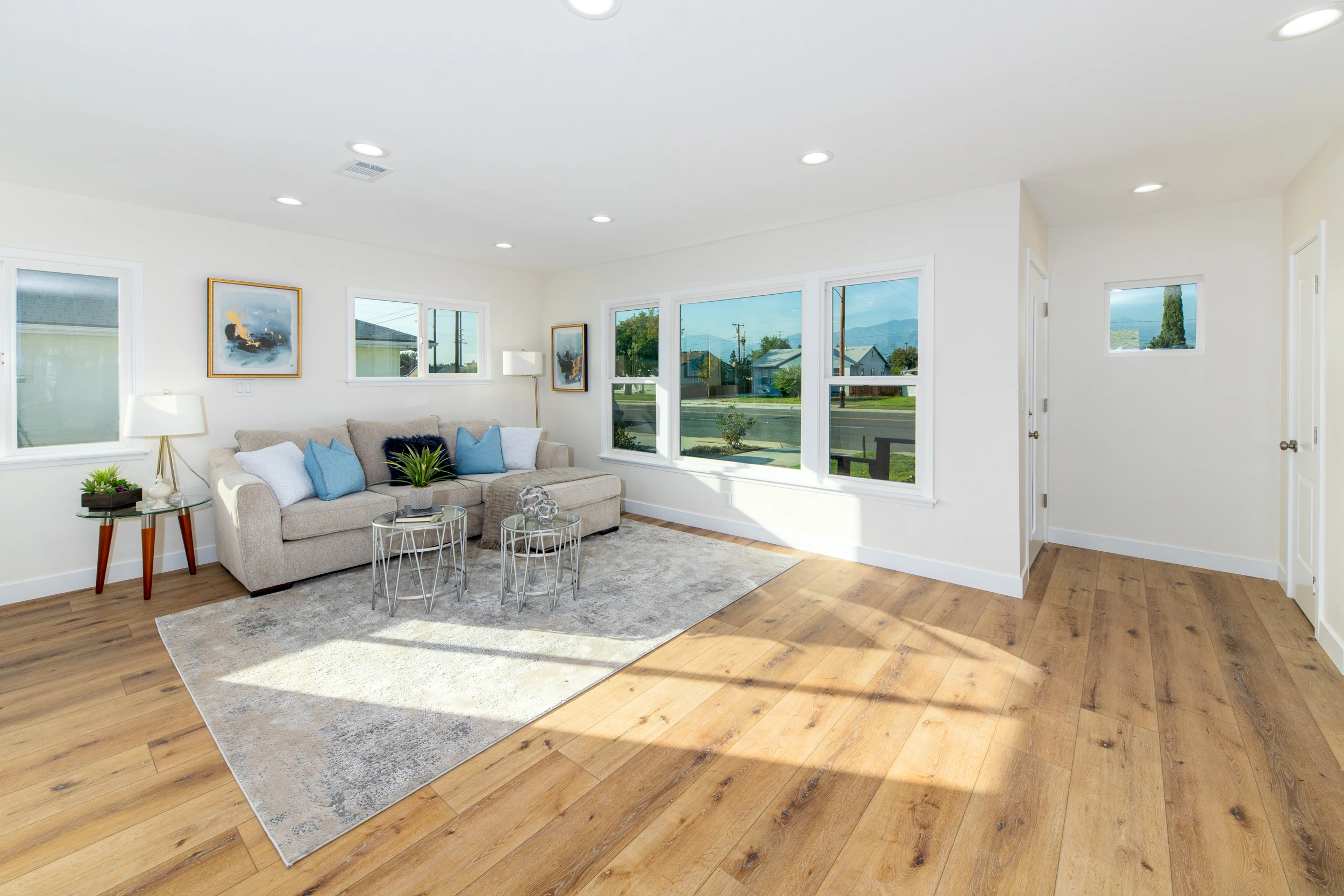
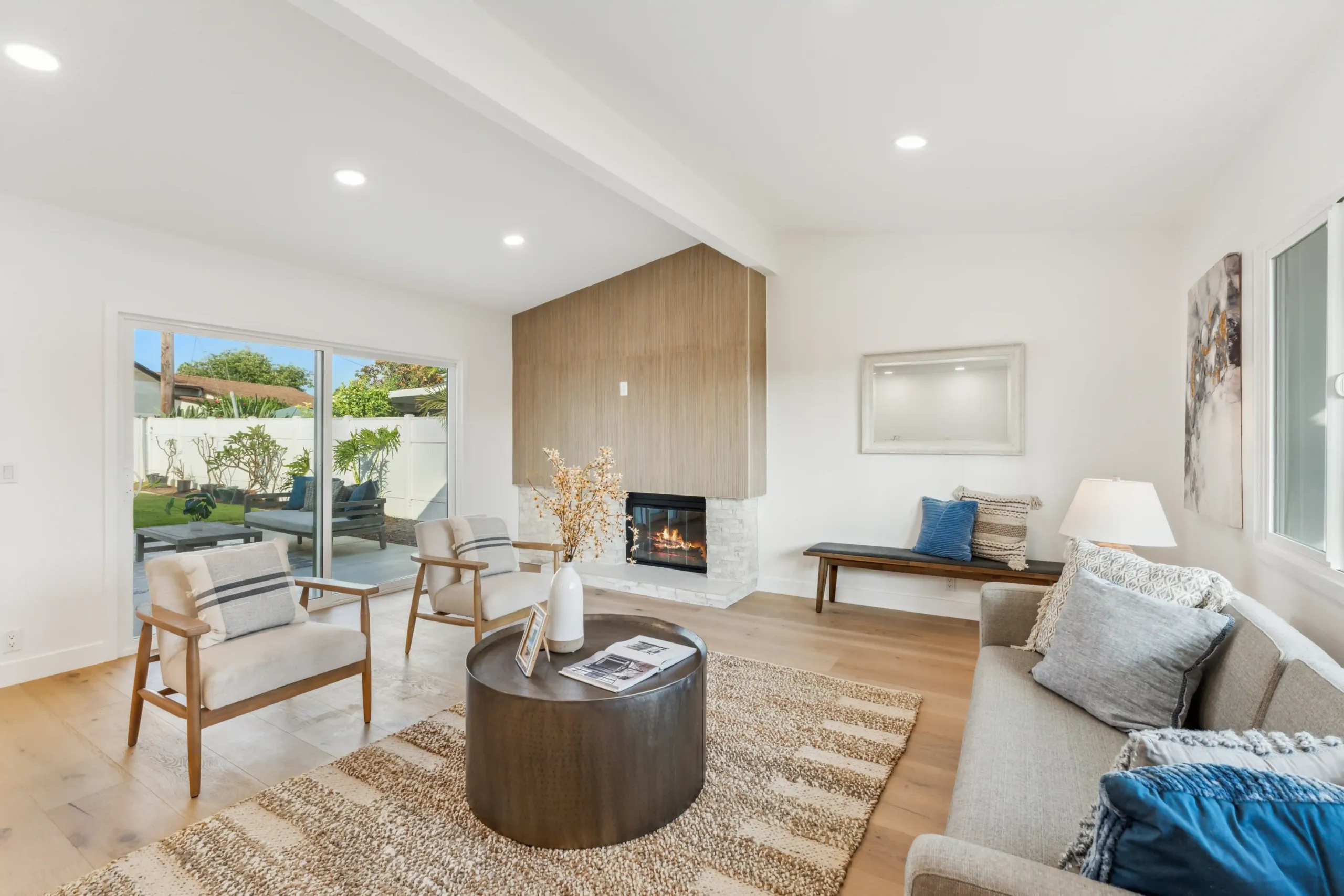
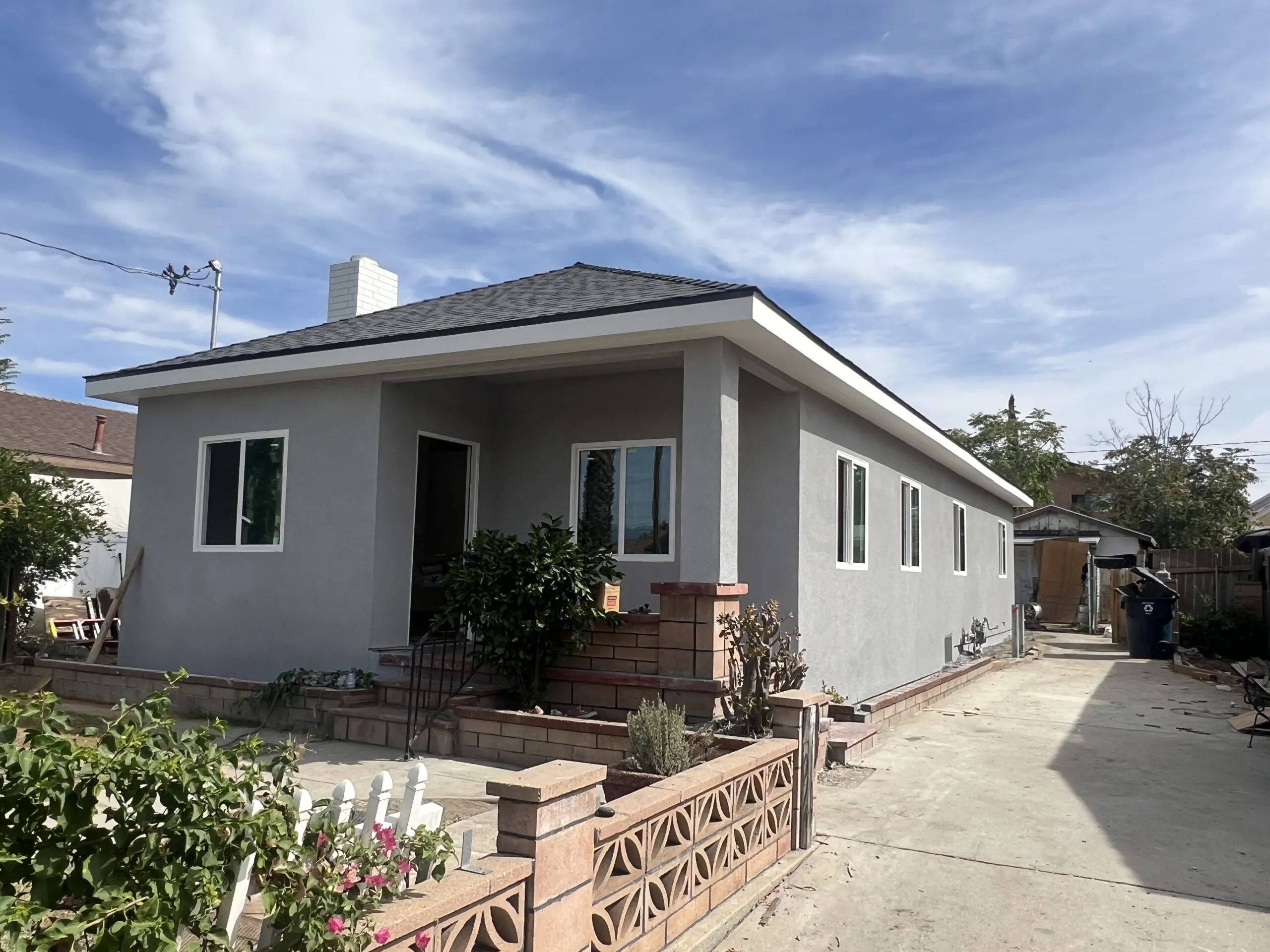

Sell home after remodel California decisions do not follow a universal legal six-month waiting period. For most Ontario homeowners, six months works better as a practical planning window. It gives you time to finish the punch list, close permits, collect warranties, let new materials settle, and prepare the property for photography and showings.
You may be ready to list sooner if the project is fully complete and the home presents well. You may also benefit from waiting if the landscaping, documentation, or final inspections still need attention. The right timing depends on why you remodeled, what you changed, your carrying costs, and how similar homes are performing in Ontario and the Inland Empire.
Before setting a listing date, review the Remodeled Home Price Premium Zillow guide so you understand why renovation cost and resale value rarely match dollar for dollar.
Sell Home After Remodel California Starts With Your Reason for Selling
Your reason for selling should guide the timeline more than an arbitrary calendar rule.
Selling Because the Remodel Solved a Life Problem
Some homeowners renovate for several years and then decide the finished home no longer fits their family. A new bedroom may not solve a school-location issue. An expanded kitchen may not solve a long commute. An ADU may create privacy challenges if the household’s plans change.
In this situation, waiting six months does not automatically create a better financial result. If the home is complete, permitted, clean, and correctly priced, listing sooner may allow you to move forward without carrying unnecessary mortgage, utility, insurance, and maintenance costs.
Selling Because You Need the Equity
Other homeowners remodel to improve marketability before selling. That strategy requires more discipline. A buyer does not reimburse every construction dollar simply because the work looks expensive. The market rewards improvements that buyers understand, need, and can compare with nearby homes.
A sale-focused remodel should improve function, condition, and presentation without over-customizing the property. Your project should match the neighborhood’s price range and buyer expectations.
Is There a Real Six Month Rule
There is no general California law that requires a homeowner to wait six months after completing a remodel before selling. The six-month idea usually comes from practical resale planning, lender concerns, tax questions, and the time needed to document improvements.
Three different timelines can affect a sale.
First, your construction timeline matters. The work should reach final completion, required inspections should close, and unresolved defects should be corrected.
Second, the buyer’s financing can matter. HUD guidance explains that a home resold within 90 days of the seller’s acquisition may not qualify for FHA mortgage insurance unless an exemption applies. Resales between 91 and 180 days can also trigger additional appraisal requirements in certain situations. This rule concerns how long the seller owned the property, not how long ago the remodel ended. Review current HUD property-flipping guidance with the buyer’s lender when the ownership period is short.
Third, federal tax rules can matter. The IRS generally requires a homeowner to meet ownership and use tests before claiming the main-home gain exclusion. IRS Publication 523 explains the current rules, including the general two-out-of-five-year requirement and possible exceptions.
Therefore, the “six-month rule” should be treated as a planning framework, not a legal deadline.
What Six Months Can Improve Before You List
A few extra months can help you turn a newly finished construction site into a confident, easy-to-market home.
Let the Remodel Prove Itself
Cabinet doors may need adjustment. Grout may need touch-ups. Newly installed flooring can reveal transition issues after furniture returns. A new HVAC system may require balancing. Exterior drainage and irrigation may need observation after rain.
Living in the home briefly helps you find small problems before a buyer or inspector discovers them. Correcting those issues early can make the listing process calmer and reduce last-minute negotiation.
Complete the Exterior Presentation
Fresh interior finishes cannot compensate for neglected landscaping, damaged fencing, faded garage doors, or poor exterior lighting. Ontario and Inland Empire buyers often evaluate the front approach before they study the kitchen.
Use the post-remodel period to complete planting, irrigation, walkways, paint touch-ups, address numbers, and outdoor lighting. These improvements do not need to become a luxury landscape project. They simply need to make the property look complete.
Build a Strong Listing Package
A recently remodeled home should come with evidence. Gather professional photographs, floor plans, permit records, final inspection documents, product warranties, appliance manuals, paint colors, and contractor contact information.
A complete package helps the listing agent explain the improvements and gives buyers confidence that the work was planned and documented.
Fresh Remodel Sale Needs a Complete Paper Trail
A fresh remodel sale becomes easier when the buyer can verify what changed.
Keep copies of:
- Signed contracts and change orders
- Invoices and payment records
- Building permits and final approvals
- Engineering plans and inspections
- Appliance and equipment warranties
- Product specifications for windows, roofing, HVAC, and electrical equipment
- Before-and-after photographs
- Maintenance instructions
- Contractor license and insurance information
Do not rely on a listing description that says “fully remodeled” without supporting detail. A buyer’s lender, appraiser, inspector, or insurance company may ask questions about permits and improvements.
Fannie Mae’s appraisal report guidance instructs appraisers to document recent updates such as remodeling and renovation. Fannie Mae also explains that comparable sales should share similar physical and legal characteristics with the subject property. Clear records help everyone understand the home being evaluated.
How Appraisers Read a Recently Remodeled Ontario Home
An appraisal does not equal your remodeling invoice. The appraiser estimates market value by studying the property, local demand, condition, quality, layout, and comparable sales.
Fannie Mae’s comparable-sales guidance says appraisers should select competitive properties with similar location, room count, finished area, style, and condition. That means a $120,000 renovation may not add $120,000 to value if nearby buyers do not pay a premium for those features.
A remodeled home may perform better when the improvements:
- Correct obvious functional problems
- Add permitted living area
- Improve the kitchen or bathrooms without over-customizing
- Use durable materials appropriate for the neighborhood
- Improve energy performance and comfort
- Create consistent finishes throughout the home
- Match the quality of nearby competing properties
A highly personalized theater, imported finishes, or unusual layout may improve your enjoyment while contributing less at resale. Fannie Mae also requires appraisers to address over-improvements when they exceed what the local market typically supports.
Which Improvements Help a Fresh Remodel Sale
| Improvement | Why buyers respond | Main caution |
|---|---|---|
| Kitchen layout and storage | Buyers understand better workflow immediately | Avoid luxury finishes that exceed the neighborhood |
| Functional bathroom updates | Clean, modern bathrooms reduce perceived future work | Poor ventilation or rushed waterproofing can create inspection concerns |
| Consistent flooring | A cohesive floor plan makes the home feel larger | Select materials suited to moisture, pets, and local climate |
| Bedroom addition | Additional permitted bedrooms can expand the buyer pool | Confirm the room qualifies as finished living area |
| ADU | Provides flexibility for family, office use, or permitted rental potential | Verify permits, utilities, access, and local rules |
| Exterior repairs and paint | Improves first impression and photography | Do not hide drainage, foundation, or moisture problems |
For flooring decisions, the Hardwood Flooring vs Luxury Vinyl Plank guide explains how material choice can affect practicality, maintenance, and buyer appeal in Inland Empire homes.
If your remodel added a bedroom, review the Bedroom Addition Inland Empire guide and make sure the permit, square footage, and final room classification appear consistently in your documents.
Selling After Renovation Timing Depends on the Market
Ontario home sale timing should consider local competition, not just the date your contractor finished.
Ask a local real estate professional to prepare a comparative market analysis that includes:
- Recently sold remodeled homes
- Active listings competing with your property
- Homes that reduced their asking prices
- Average days on market
- Buyer demand for your property type
- Seasonal activity in your neighborhood
- Price differences between permitted and unpermitted improvements
Your remodel may show better in a market with limited updated inventory. It may face stronger price pressure when several renovated homes compete for the same buyers.
Neighborhood differences also matter. A finish package that works in Alta Loma may not produce the same response in every Ontario neighborhood. WM Construction’s San Bernardino County renovation neighborhood guide provides useful context for evaluating improvement decisions against local conditions.
When Selling Right Away Makes Sense
Listing soon after completion may make sense when:
- Final inspections and permits are complete
- The punch list contains only minor cosmetic items
- The home photographs well
- The property has no active construction odors or dust
- Warranties and manuals are organized
- Your carrying costs are significant
- A qualified real estate professional sees strong buyer demand
- You need to relocate or access equity
A newly finished home can attract attention because buyers want updated space without managing a construction project. However, the listing should describe the work accurately and include realistic pricing.
When Waiting Six Months Makes Sense
Waiting can make sense when:
- You still need to resolve defects
- Landscaping and exterior repairs remain incomplete
- You need time to obtain final permits
- You want to establish a detailed cost and improvement file
- The property needs furniture, staging, or professional photography
- You want to observe how the new systems perform
- Current comparable sales do not support your target price
- You need more time to meet tax or ownership requirements
Waiting only helps when you use the time productively. A vacant, unfinished, or poorly maintained home does not become more valuable simply because six months pass.
What to Fix Before Listing a Freshly Remodeled Home
Walk through the property as if you were a buyer seeing it for the first time.
Check:
- Doors, drawers, and cabinet hardware
- Caulking around tubs, showers, counters, and sinks
- Paint touch-ups and trim transitions
- Flooring transitions between rooms
- HVAC temperature balance and filter condition
- Water pressure and drainage
- GFCI and smoke-alarm operation
- Appliance installation and manuals
- Window operation and screens
- Garage storage and door safety
- Exterior lighting and irrigation
- Attic, crawlspace, and utility access
- Construction debris and leftover materials
Ask your contractor for a final walkthrough and a written punch list. Finish the work before listing whenever practical. Buyers may accept normal wear, but they become more cautious when a supposedly finished remodel still looks like a job site.
How WM Construction Helps With a Sale Ready Finish
WM Construction works with homeowners in Ontario, Rancho Cucamonga, and surrounding Inland Empire communities. The company has served local homeowners since 2014 and operates as a licensed residential remodeling contractor under CSLB License #1104199.
A sale-focused project benefits from the same fundamentals as a long-term remodel:
- A clear scope before construction begins
- Practical layouts that fit the existing home
- Materials selected for durability and local buyer expectations
- Permit coordination where required
- A free 3D design concept before payment
- Weekly project photo and video updates
- A documented final walkthrough
WM Construction can help you separate improvements that support broad buyer appeal from highly personal features that may limit your market. The company does not provide real estate, appraisal, tax, or legal advice, so homeowners should work with licensed professionals for those decisions.
Frequently Asked Questions About Sell Home After Remodel California
Is there a six month rule for selling after a remodel
No. California does not impose a universal six-month waiting period after a home remodel. Six months can provide time to complete inspections, correct defects, finish landscaping, organize records, and prepare the home for market. Your actual decision should consider construction completion, local demand, carrying costs, tax questions, and buyer financing.
Can I sell home after remodel California within 90 days
You may be able to list and sell, but the buyer’s financing could create complications if you acquired the property recently. HUD’s FHA property-flipping rules can restrict mortgage insurance for certain resales within 90 days of acquisition. This rule concerns ownership duration, not simply the remodel completion date. Ask the buyer’s lender to confirm current requirements.
Do I need final permits before listing
You should resolve required permits and inspections before listing whenever possible. Unclosed permits can delay a transaction, create lender questions, affect insurance, and reduce buyer confidence. If you discover an issue, disclose it accurately and ask the city or county building department how to close the permit correctly.
Does a fresh remodel recover its full cost
Usually, there is no guarantee that a remodel will return its full construction cost. Market value depends on comparable sales, neighborhood expectations, workmanship, permits, layout, quality, and buyer demand. Targeted improvements often perform better than highly personalized upgrades that exceed the local market.
How do improvements affect capital gains
Qualifying improvements may affect your adjusted basis, which can influence taxable gain, but the rules depend on the work, ownership history, records, and use of the property. Keep invoices and completion documents, then ask a qualified tax professional to apply current IRS rules to your situation.
Should I get an appraisal before listing
A pre-listing appraisal can provide useful information, but it does not guarantee the final sales price. A local comparative market analysis may better reflect current buyer behavior because it studies competing listings and recent sales. Some homeowners use both when the remodel is extensive or unusual.
Can WM Construction help plan a sale ready remodel
Yes. WM Construction can help define a practical scope, coordinate design and construction, and select improvements that fit the home and local market. The company can explain construction implications, but a real estate agent, appraiser, lender, and tax professional should provide market, valuation, financing, and tax guidance.
The Best Time to Sell home after remodel California
The best answer to sell home after remodel California questions is not “always wait six months” or “list immediately.” List when the construction is truly complete, the documents are organized, the home presents well, and the market supports your price.
If you are still correcting defects, closing permits, or finishing the exterior, use the next few months productively. If the project is complete and demand is strong, waiting may only increase carrying costs without improving the result.
WM Construction can help you plan a clear, sale-ready remodeling scope in Ontario, Rancho Cucamonga, and the Inland Empire. Call 951-310-3458 to discuss your project before you commit to the next construction decision.